
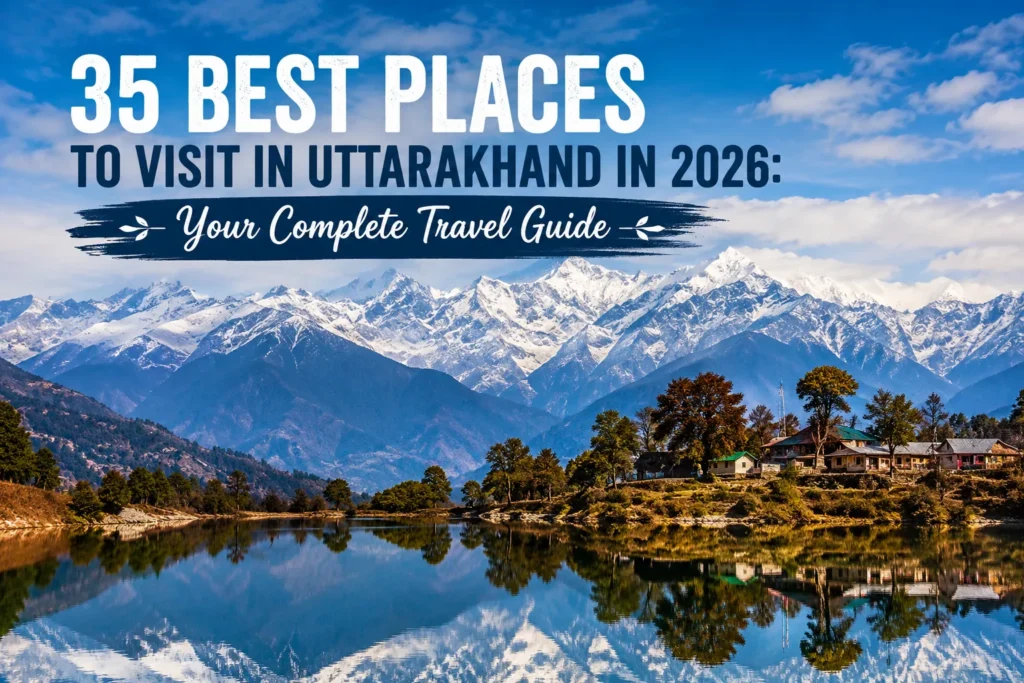
35 Best Places to Visit in Uttarakhand in 2026: Your Complete Travel Guide
Tucked into the lap of the Himalayas, Uttarakhand is the kind of place that stays with you long after you’ve left. Popularly called Devbhoomi — the Land of the Gods — this northern Indian state packs extraordinary variety into one destination: snow-draped peaks, ancient pilgrimage shrines, UNESCO-listed flower valleys, dense tiger reserves, and breezy colonial hill stations.
Whether you’re planning a family vacation, a romantic getaway, a solo trek, or a spiritual journey, the state delivers. Culture seekers can spend hours at century-old temple complexes; adrenaline chasers can raft the Ganges or ski Auli’s pristine slopes; and those who simply want to unplug can disappear into quiet villages most travellers never find.
This guide covers the 35 best places to visit in Uttarakhand in 2026, organised by destination type and season. You’ll also find suggested itineraries, a local food guide, practical travel tips, and a comprehensive FAQ — everything you need to plan a trip that actually works.
Quick Facts About Uttarakhand
| Information | Details |
|---|---|
| State | Uttarakhand |
| Nickname | Devbhoomi (Land of the Gods) |
| Capital | Dehradun (Winter) / Gairsain (Summer) |
| Best Time to Visit | March to June & October to February |
| Ideal Trip Duration | 5–10 Days |
| Famous For | Hill Stations, Temples, Adventure Sports, Wildlife, Snowfall |
| Nearest Airport | Jolly Grant Airport, Dehradun |
| Major Railway Stations | Dehradun, Haridwar, Kathgodam |
| Languages | Hindi, Garhwali, Kumaoni |
Why Visit Uttarakhand?
Few destinations in India offer the breadth of experience that Uttarakhand does. Here’s what makes it stand apart.
1. Sacred Spiritual Journeys
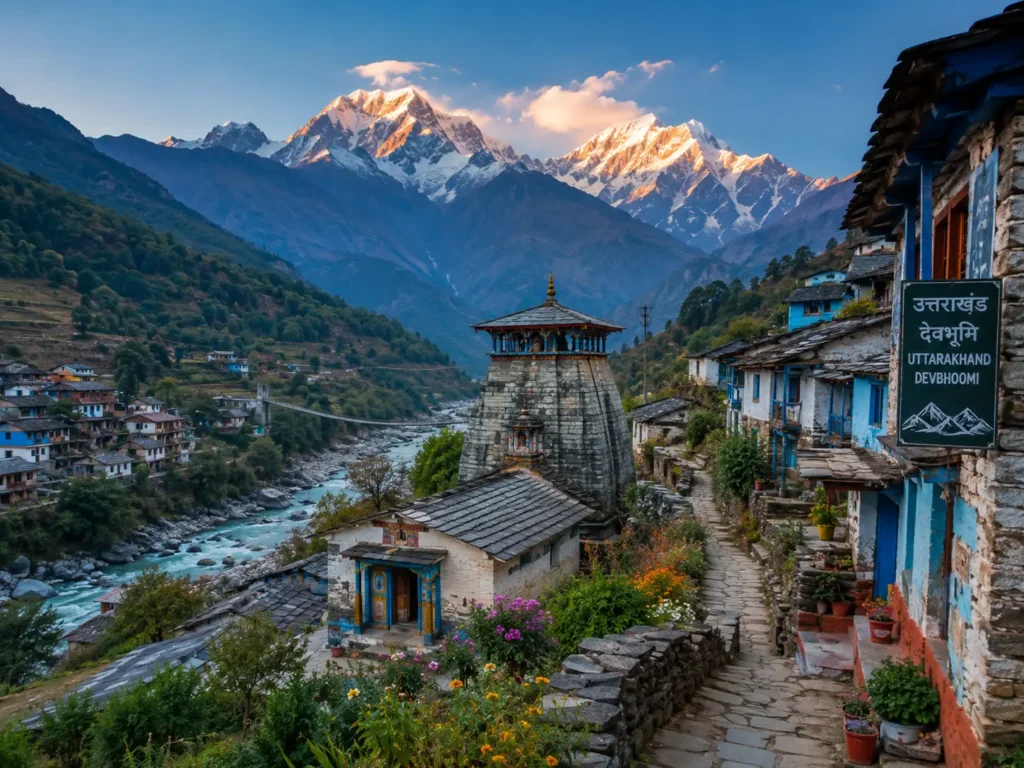
Uttarakhand commands a prominent place on the world’s religious map. The legendary Char Dham Yatra — covering Yamunotri, Gangotri, Kedarnath, and Badrinath — draws hundreds of thousands of pilgrims each year. Beyond the Char Dham, the Panch Kedar circuit links five Shiva temples connected to the Pandavas of the Mahabharata, and Rishikesh has built a global reputation as a centre for yoga and wellness.
2. Breathtaking Himalayan Landscapes
The Valley of Flowers National Park, a UNESCO World Heritage Site, erupts into a riot of over 500 alpine species during the monsoon season. The Ganges and Yamuna both trace their origins to glaciers within the state, while high-altitude meadows like Har Ki Doon and peaks like Nanda Devi (7,816 m) provide some of the subcontinent’s most awe-inspiring scenery.
3. World-Class Adventure
Rishikesh anchors the state’s adventure circuit with Grade IV rapids, bungee jumping, and zip-lining. Auli’s ski slopes host national winter sports championships. Trekking routes range from the accessible Chandrashila summit (4,000 m) to the challenging Roopkund lake trail, known for its skeletal mystery.
4. Rich Wildlife and Forests
With roughly 45% forest cover, Uttarakhand is a biodiversity hotspot. Jim Corbett National Park — India’s oldest — shelters Bengal tigers and Asian elephants. Higher up, Kedarnath Wildlife Sanctuary protects Himalayan monals, musk deer, and the elusive snow leopard.
5. Unique Local Cuisine
Uttarakhand’s food is shaped by altitude and tradition: slow-cooked Kafuli (spinach or fenugreek curry), protein-rich Chainsoo (roasted black gram), the tangy Bhang ki Chutney, and the iconic Bal Mithai — a chocolate-brown fudge rolled in sugar balls. Buransh (rhododendron) juice is a must-try in spring.
6. Culture and Festivals
The Kumbh Mela in Haridwar is one of the largest human gatherings on earth. Smaller celebrations like Phool-Dei (a spring flower festival) and Harela (celebrating the monsoon harvest) offer an authentic window into Garhwali and Kumaoni life. Aipan folk art and Likhai wood carving round out the state’s artistic heritage.
35 Best Places to Visit in Uttarakhand
1. Mussoorie – The Queen of the Hills
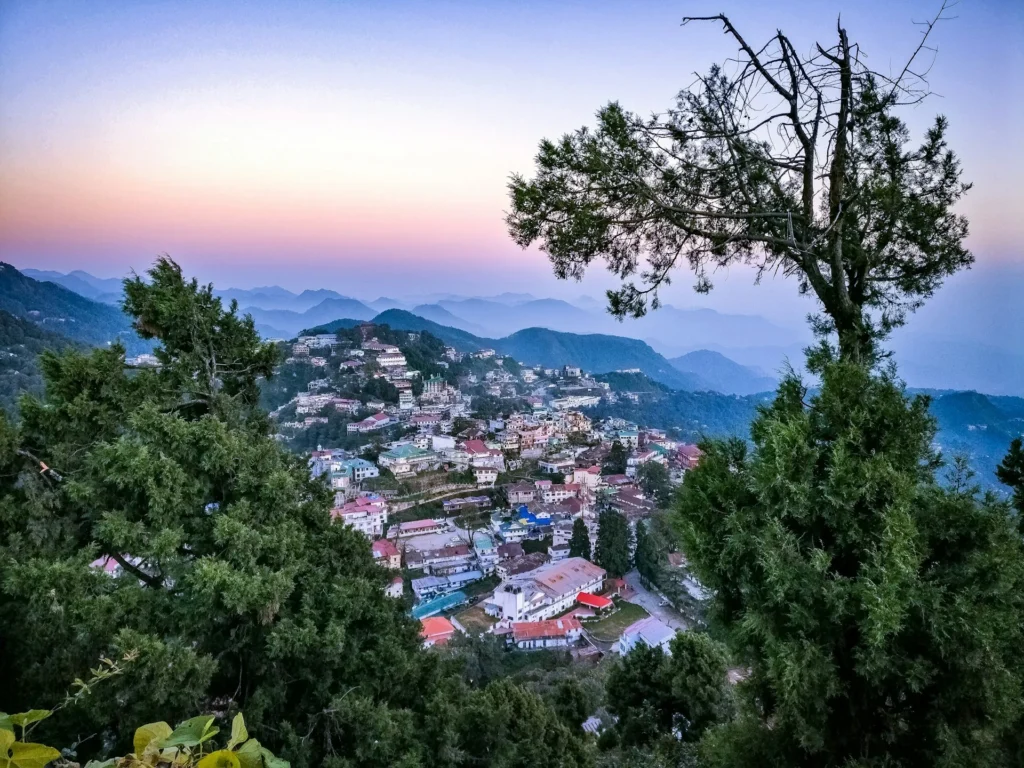
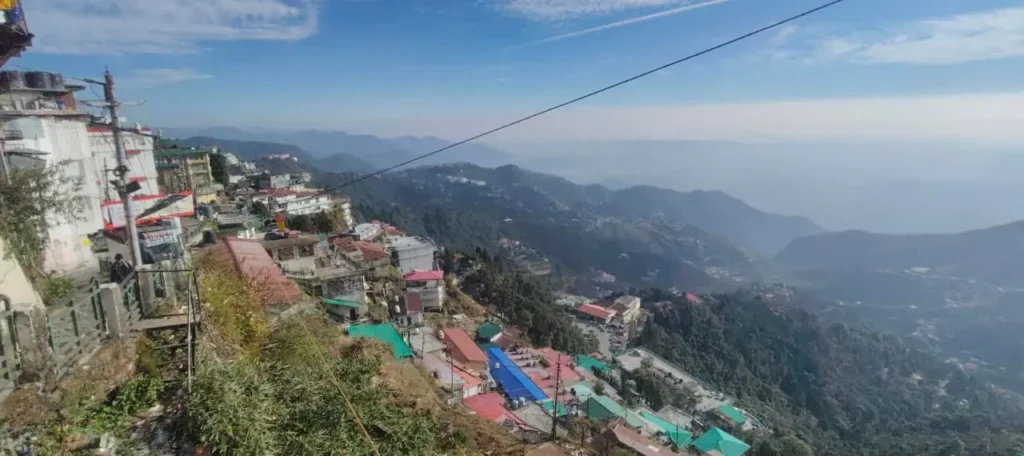
Perched at 2,000 metres in the Dehradun district, Mussoorie sits just 26 kilometres from the state’s winter capital. It earned its royal nickname from a blend of colonial-era charm, sweeping Doon Valley panoramas, and the rare winterline phenomenon — a faint band of light visible on clear winter evenings. Literary pilgrims come for the storied Cambridge Book Depot, where celebrated author Ruskin Bond is occasionally spotted at signing events.
Top Attractions
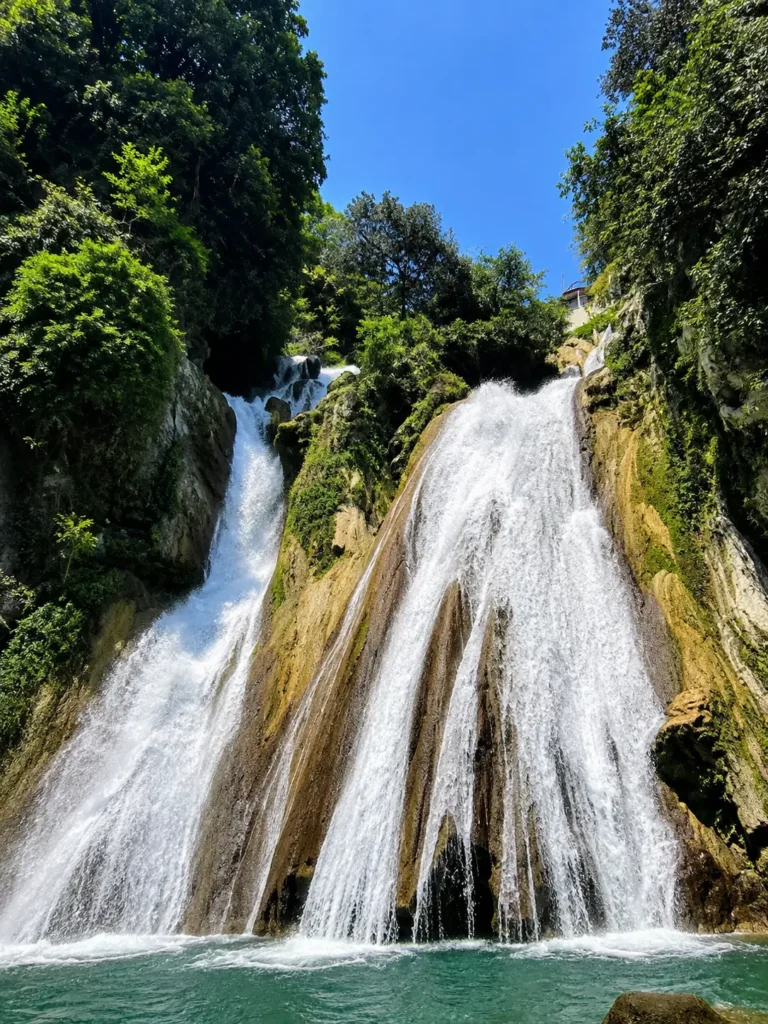
- Kempty Falls – A 12-metre cascade tucked between pine-covered hills; good for a quick swim in summer.
- Lal Tibba – Mussoorie’s highest point, with telescopes trained on Kedarnath and Badrinath peaks.
- Gun Hill – Reached by cable car, this second-highest peak rewards visitors with 360-degree views.
- George Everest House – The restored lab and home of the Surveyor-General after whom Everest was named.
- Benog Wildlife Sanctuary (Hidden Gem) – A quiet forest reserve ideal for birding away from the crowds.
Best Time to Visit
March to June for comfortable temperatures; October to January for the famous winterline and possible snowfall.
Things to Do
- Ride the ropeway to Gun Hill and time your visit for sunset.
- Walk the 3-kilometre Camel’s Back Road for unobstructed mountain views.
- Explore Tibetan culture and peaceful monasteries in Happy Valley.
- Browse or attend a signing event at the historic Cambridge Book Depot.
Ideal Trip Duration
2–3 days to cover the main waterfalls, viewpoints, and enjoy the laid-back hill-station pace.
💎 Hidden Gem : Benog Wildlife Sanctuary is a short drive from the main town but feels worlds away — oak forest trails with almost no tourist foot traffic.
2. Nainital – The City of Lakes
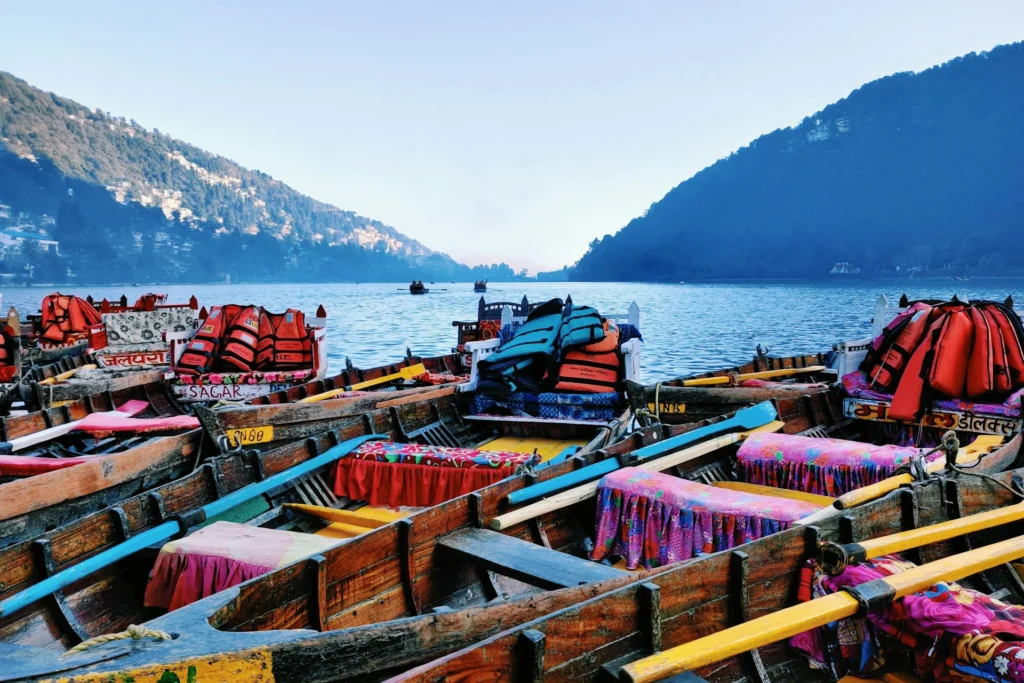
Nainital sits in the Kumaon region, around 40 kilometres from Haldwani. The town is built around an emerald-green, pear-shaped lake set within a bowl of seven hills — a natural amphitheatre that gives the place an intimacy rare in popular hill stations. Colonial architecture, a lively Mall Road, and one of the country’s better high-altitude zoos add to the draw.
Top Attractions
- Naini Lake – A freshwater lake famous for rowing boats; the reflections at dawn are stunning.
- Naina Devi Temple – A revered Shakti Peeth on the lake’s northern shore.
- Snow View Point – Aerial ropeway access to panoramic views of Nanda Devi and surrounding peaks.
- High Altitude Zoo – Rare species including the Himalayan black bear and snow leopard in a mountain setting.
- Kilbury Bird Sanctuary (Hidden Gem) – Over 250 resident and migratory species in dense oak forest.
Best Time to Visit
March to June for pleasant weather; September to November for the clearest Himalayan views.
Things to Do
- Take a traditional rowing boat out at dawn before the crowds arrive.
- Trek to Tiffin Top (Dorothy’s Seat) for panoramic views of the Kumaon hills.
- Explore the interconnected Eco Cave Gardens.
- Ride the aerial ropeway to Snow View Point.
Ideal Trip Duration
2–3 days covers the lake, zoo, key viewpoints, and Mall Road at a relaxed pace.
💎 Hidden Gem: Kilbury Bird Sanctuary, just 12 km out, is a world-class birding spot that many visitors completely overlook.
For detailed nanital guide click
3. Rishikesh – Adventure Capital of India
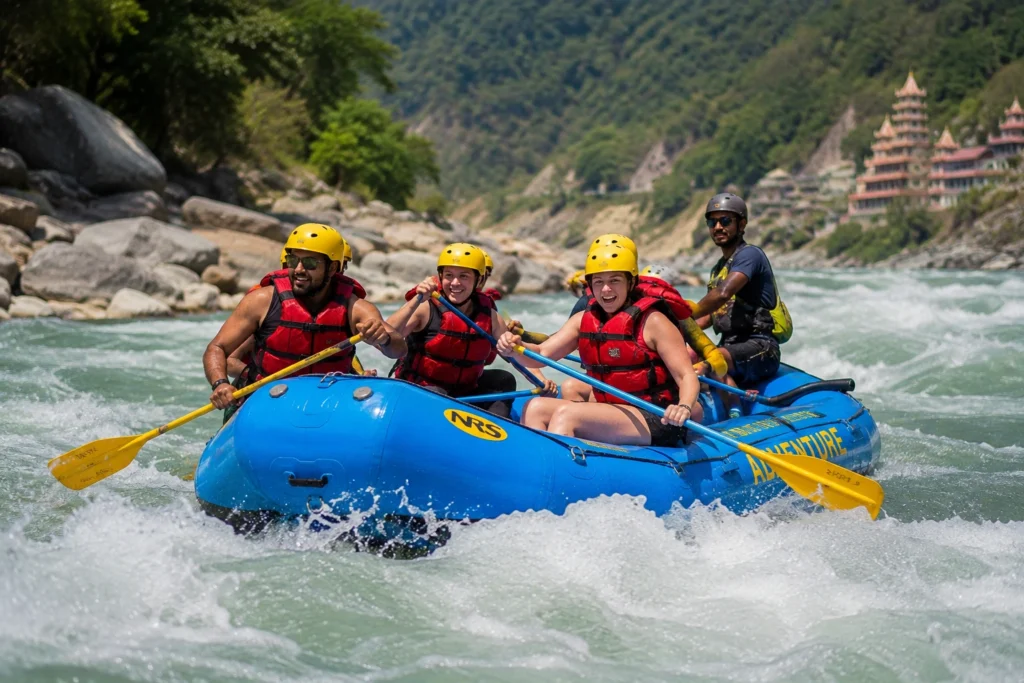
Rishikesh sits in the Himalayan foothills, around 45 kilometres from Dehradun, where the Ganges emerges from the mountains onto the plains. Billed as the Yoga Capital of the World, it manages an unusual double identity — part ashram retreat, part adrenaline playground. In the same afternoon you can attend a meditation class and raft a Grade IV rapid.
Top Attractions
- Laxman Jhula – An iconic suspension bridge framing the Ganges and a cluster of riverside temples.
- Triveni Ghat – The main bathing ghat, famous for an evening Ganga Aarti ritual worth planning your day around.
- Beatles Ashram (Chaurasi Kutiya) – Where the Fab Four studied Transcendental Meditation in 1968; now a colourful open-air mural gallery.
- Neelkanth Mahadev Temple – A sacred Shiva shrine at 1,330 metres, reached through dense forest.
- Goa Beach (Hidden Gem) – A quiet sandy stretch of riverbank offering respite from the busier ghats.
Best Time to Visit
March to May and late September to mid-November — avoiding monsoon when rafting is restricted.
Things to Do
- Join a licensed white-water rafting expedition through the Ganges rapids (Grades I–IV depending on the route).
- Attend the evening Ganga Aarti at Triveni Ghat — arrive 30 minutes early for a good spot.
- Enrol in a multi-day yoga or meditation retreat at one of the established Himalayan ashrams.
- Trek through forest trails to Neelkanth Mahadev Temple (18 km return).
Ideal Trip Duration
2–3 days, balancing spiritual rituals, yoga sessions, and river adventures.
💎 Hidden Gem: Goa Beach, a short walk from the main tourist corridor, offers a genuinely peaceful stretch of river where you can swim safely in calmer sections.
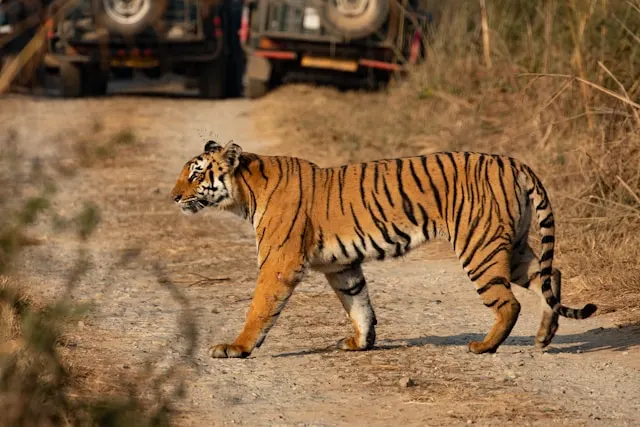
📷 IMAGE: jim-corbett-bengal-tiger-safari.webp
ALT: Bengal tiger resting in the grasslands of Jim Corbett National Park
Caption: Jim Corbett National Park is India’s oldest tiger reserve.
4. Jim Corbett National Park – India’s Oldest National Park
Straddling the Nainital and Pauri Garhwal districts near Ramnagar, Jim Corbett National Park was established in 1936, making it India’s oldest. The park protects a mosaic of grassland, riverine forest, and Himalayan foothills that supports a remarkable density of wildlife, most famously the Bengal tiger. It’s one of the best places in Uttarakhand for wildlife lovers and serious photographers.
Top Attractions
- Dhikala Zone – Vast grasslands and frequent tiger sightings; requires prior permits and overnight stays in the rest house.
- Bijrani Zone – Diverse terrain with consistent wildlife activity, accessible on day permits.
- Jhirna Zone – Open year-round and reliable for sloth bears and wild elephants.
- Durga Devi Zone – The park’s birding hotspot, set in scenic hilly terrain.
- Phato Zone (Hidden Gem) – A quieter buffer zone offering forest drives with few other vehicles.
Best Time to Visit
Mid-November to mid-June; most core zones close during the monsoon (July–October).
Things to Do
- Book a guided jeep safari well in advance — popular zones like Dhikala fill up months ahead.
- Join a morning birdwatching tour along the river habitats.
- Try a canter safari in Dhikala for wider grassland coverage.
- Stay in a forest rest house overnight to experience the park at dawn.
Ideal Trip Duration
2–3 days to cover multiple zones and maximise your chances of good wildlife sightings.
💎 Hidden Gem: The Phato Zone is rarely crowded and offers a more intimate wildlife experience compared to the famous Dhikala grasslands.
5. Auli – India’s Skiing Paradise
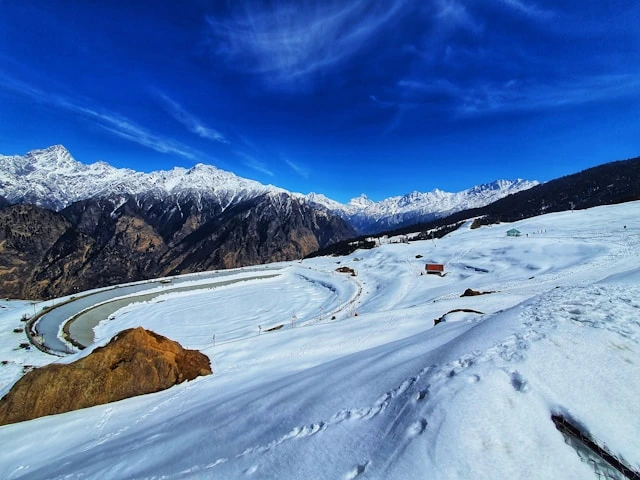
Located in the Chamoli district at around 2,500–3,050 metres, Auli is India’s premier skiing destination — home to slopes used in national-level competitions and a ropeway that holds the title of one of Asia’s longest. Beyond winter, Auli transforms into a trekker’s base camp with meadows of wildflowers and jaw-dropping views of Nanda Devi (7,816 m).
Top Attractions
- Auli Ski Slopes – 500 metres of vertical drop with consistent snow cover from December to March.
- Auli Ropeway – A 4-km cable car from Joshimath to Auli with panoramic Garhwal Himalayan views.
- Nanda Devi Lookout – One of the best accessible viewpoints for the second-highest peak in India.
- Gorson Bugyal (Hidden Gem) – A high alpine meadow reached through oak forest; spectacular in spring and summer.
Best Time to Visit
December to March for skiing; April to June for trekking and pleasant weather.
Things to Do
- Take skiing or snowboarding lessons at the GMVN ski resort if you’re a first-timer.
- Ride the ropeway for Himalayan views even if you’re not skiing.
- Trek to Gorson Bugyal through conifer forest for a classic Uttarakhand meadow experience.
- Photograph the Nanda Devi sunrise — arrive at the lookout by 6 am.
Ideal Trip Duration
2–3 days for skiing, ropeway rides, and the Gorson Bugyal trek.
💎 Hidden Gem: Gorson Bugyal (3,056 m) is an easy 3-km trek from Auli that most winter visitors skip entirely — a mistake, given the views it offers of Hathi Parvat and Ghori Parvat.
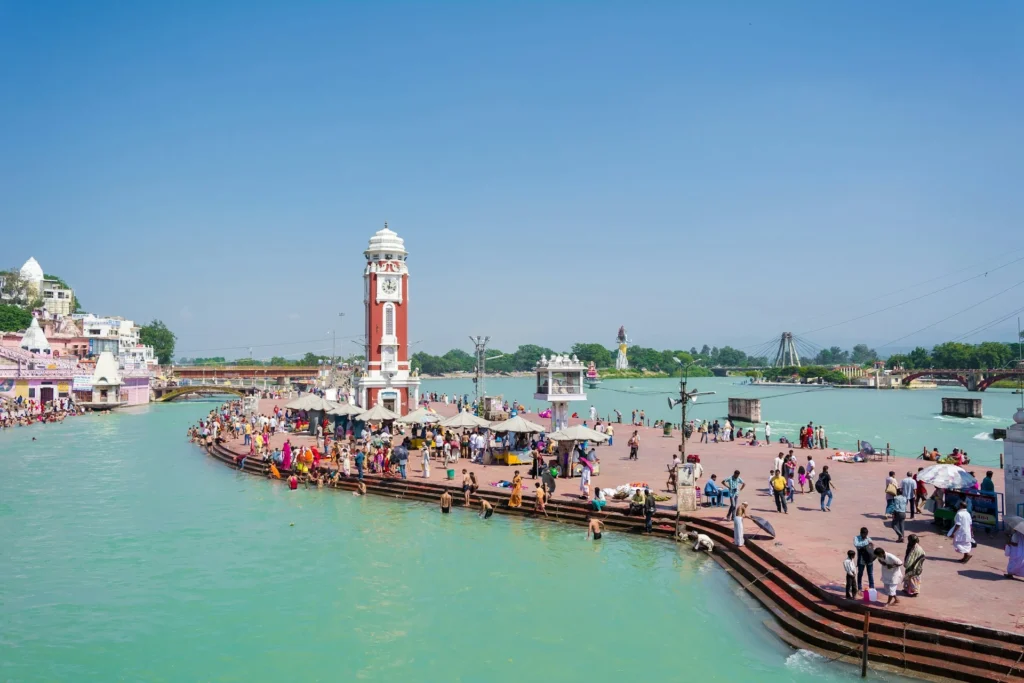
📷 IMAGE: haridwar-ganga-aarti-har-ki-pauri.webp
ALT: Ganga Aarti ceremony at Har Ki Pauri ghat in Haridwar at dusk
Caption: The evening Ganga Aarti at Har Ki Pauri is one of India’s most moving rituals.
6. Haridwar – The Gateway to the Gods
Haridwar sits on the Ganges where the river finally leaves the mountains for the plains — a transition point that carries enormous religious weight. As one of Hinduism’s seven sacred cities, it draws pilgrims year-round, but the atmosphere peaks during the Kumbh Mela (held every 12 years, with Ardh Kumbh every 6). Even on an ordinary evening, the Ganga Aarti at Har Ki Pauri is quietly extraordinary.
Top Attractions
- Har Ki Pauri – The city’s holiest ghat, where thousands gather each evening for the lamp-lit Ganga Aarti.
- Mansa Devi Temple – A hilltop temple accessible by ropeway with city and river views.
- Chandi Devi Temple – An ancient temple on Neel Parvat with panoramic views of the plains.
- Maya Devi Temple (Hidden Gem) – One of Haridwar’s oldest temples and a significant Shakti Peeth, often bypassed by visitors.
Best Time to Visit
October to March for comfortable temperatures; pilgrims visit throughout the year.
Things to Do
- Attend the evening Ganga Aarti at Har Ki Pauri — the one at Triveni Ghat in Rishikesh is more elaborate, but Haridwar’s has a rawer energy.
- Take the ropeway to Mansa Devi and Chandi Devi temples.
- Browse the lively bazaars for puja supplies, rudraksha beads, and local sweets.
Ideal Trip Duration
1–2 days — enough for the main ghats, temples, and the city’s spiritual atmosphere.
💎 Hidden Gem: Maya Devi Temple, dedicated to the city’s patron goddess, is a Shakti Peeth that predates most other structures in Haridwar but attracts a fraction of the tourist attention.
📷 IMAGE: kedarnath-temple-himalayan-peaks.webp
ALT: Kedarnath Temple surrounded by snow-covered Himalayan peaks in summer
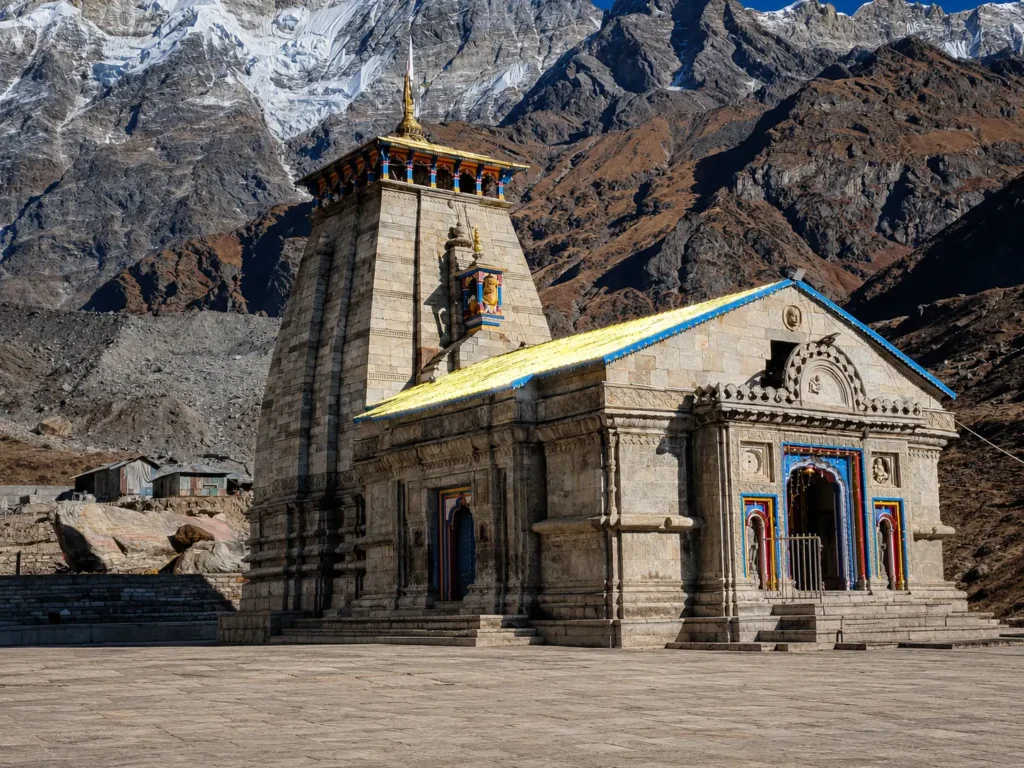
Caption: Kedarnath Temple during the summer pilgrimage season.
7. Kedarnath – One of the Sacred Char Dham Shrines
Set at 3,583 metres in the Rudraprayag district, Kedarnath is one of Hinduism’s most venerated sites — a Jyotirlinga and a Char Dham pilgrimage destination. The temple, believed to date back to the Pandavas, stands against a backdrop of Himalayan giants including Chaukhamba and Neelkanth. Getting here requires either an 18-km trek from Gaurikund or a helicopter ride — the effort is very much part of the experience.
Top Attractions
- Kedarnath Temple – An ancient stone shrine of remarkable architectural restraint, made more powerful by its remote setting.
- Mandakini River Valley – The scenic approach valley through which the sacred river flows from the Churabari Glacier.
- Gandhi Sarovar (Churabari Tal) – A glacial lake offering mountain reflections worth the extra walk.
- Retah Kund (Hidden Gem) – A small sacred pond near the temple with religious significance and few visitors.
Best Time to Visit
May to June and September to October — the temple closes for winter (typically November) due to heavy snowfall.
Things to Do
- Start the 18-km trek from Gaurikund early (ideally 5 am) to avoid afternoon cloud and crowds.
- Attend the morning abhishek ceremony at the temple — timing requires prior registration.
- Carry warm layers even in June: temperatures drop sharply after sunset at this altitude.
Ideal Trip Duration
2–3 days: one for the upward trek, one for temple rituals and acclimatisation, one for the descent.
💎 Hidden Gem: Retah Kund, a small glacial pond a short walk beyond the main temple complex, is visited by very few pilgrims despite its peaceful setting.
8. Badrinath – The Abode of Lord Vishnu
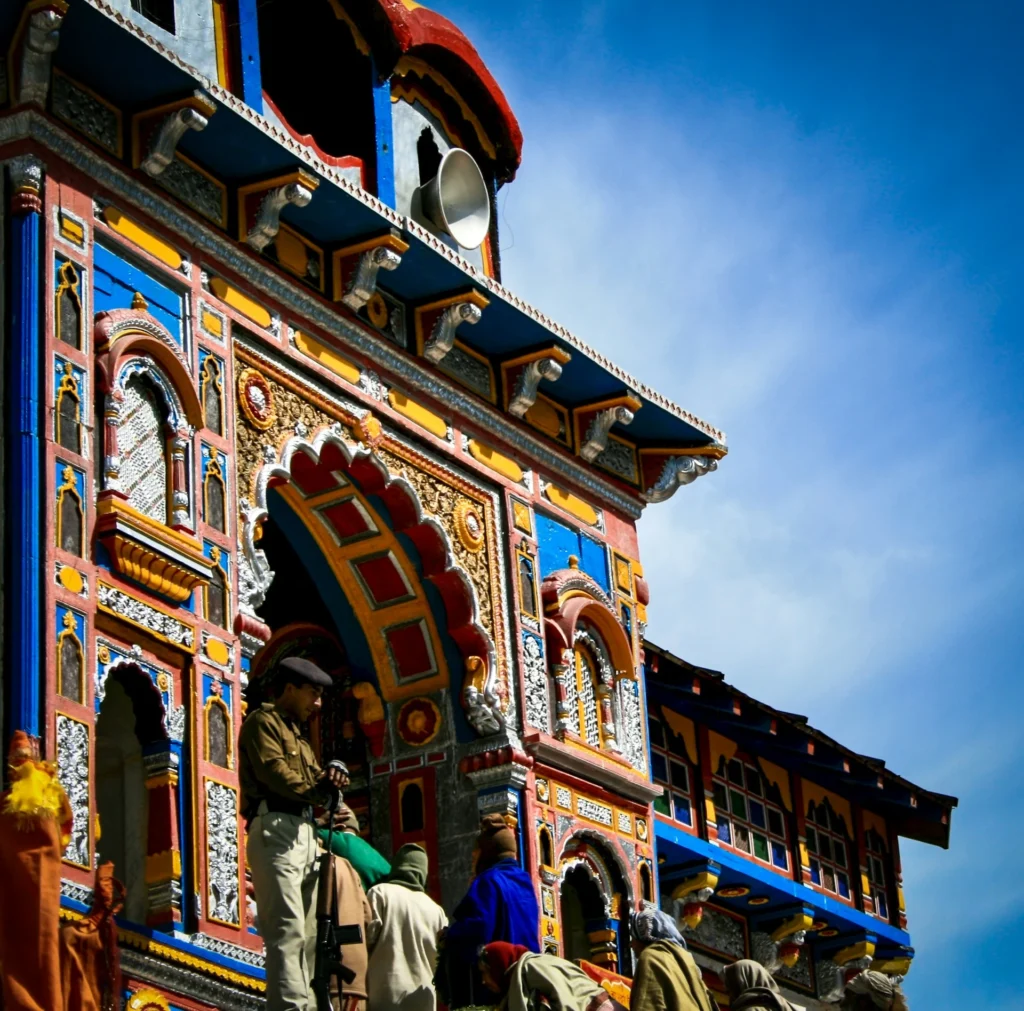
At 3,300 metres in the Chamoli district, Badrinath is the northernmost of the four Char Dham shrines and among the most dramatically positioned. The brightly painted Badrinarayan Temple stands flanked by the Nar and Narayan peaks, and a naturally hot spring at the base of the temple — the Tapt Kund — provides ritual bathing water at a consistent 45°C. The road from Rishikesh via Joshimath is one of India’s great scenic drives.
Top Attractions
- Badrinath Temple – A vibrantly painted shrine dedicated to Lord Vishnu, active from late April/early May until early November.
- Tapt Kund – Natural thermal springs where devotees bathe before entering the temple.
- Vasudhara Falls – A 122-metre waterfall accessible via a scenic 5-km trek, with water that legend says passes through the palms of the righteous.
- Neelkanth Peak – A pyramid-shaped snowy summit that provides the temple’s dramatic backdrop.
Best Time to Visit
Late April to early November; the temple closes after Diwali with a formal ceremony.
Things to Do
- Attend the morning and evening aarti — the evening ceremony includes a commentary explaining the rituals.
- Take a ritual dip in the Tapt Kund before temple entry, as is traditional.
- Trek to Vasudhara Falls for one of the region’s most rewarding short treks.
Ideal Trip Duration
1–2 days, allowing time for temple rituals and the Vasudhara Falls trek.
📷 IMAGE: valley-of-flowers-alpine-blooms.webp
ALT: Colorful alpine flowers blooming across the Valley of Flowers National Park during monsoon
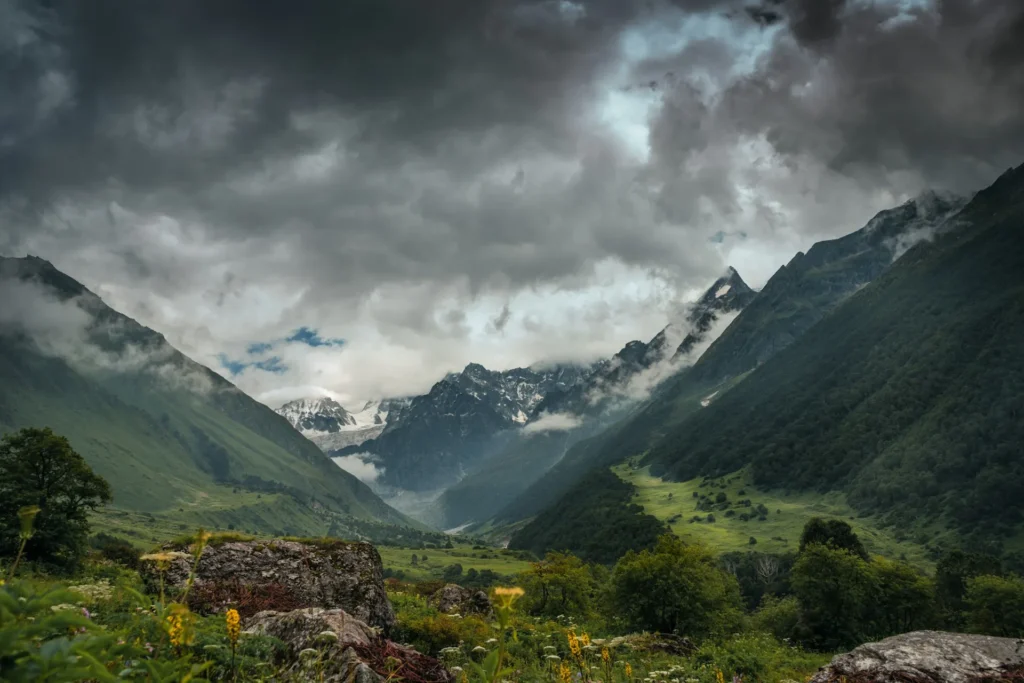
Caption: The Valley of Flowers transforms into a living tapestry during the monsoon.
9. Valley of Flowers – A UNESCO World Heritage Site
The Valley of Flowers National Park in Chamoli district is a place that beggars description — 87 sq km of alpine meadow that, during the monsoon, becomes a living tapestry of over 500 species of wildflowers. A UNESCO World Heritage Site, it sits at around 3,500 metres and is accessible only on foot, which keeps it genuinely wild. The Himalayan blue poppy and Uttarakhand’s state flower, the Brahma Kamal, are particular draws.
Top Attractions
- Floral Meadows – Vast fields that shift colour week by week through July and August as different species peak.
- Himalayan Blue Poppy – Rare and startlingly beautiful; peak bloom is typically mid-July.
- Brahma Kamal – Uttarakhand’s state flower, visible at higher elevations in August.
- Cobra Lily Clusters (Hidden Gem) – Distinctive carnivorous plants that add to the valley’s extraordinary biodiversity.
Best Time to Visit
Mid-July to mid-August for peak blooms; the park is open June to October.
Things to Do
- Trek the 17-km trail from Pulna village, staying overnight at Ghangaria.
- Photograph wildflowers early morning before cloud builds — light is also better.
- Spot the Himalayan Monal (Uttarakhand’s state bird) along the upper trails.
- Carry rain gear — afternoon showers are almost guaranteed in peak season.
Ideal Trip Duration
3–4 days: one to reach Ghangaria, one or two in the valley, one to return.
💎 Hidden Gem: The Cobra Lily (Arisaema jacquemontii) is one of the valley’s most unusual plants — a carnivorous species most trekkers walk straight past.
10. Chopta – Mini Switzerland of Uttarakhand
Chopta sits in the Rudraprayag district at around 2,680 metres, surrounded by forests of deodar, pine, and rhododendron. It serves as the trailhead for two of Uttarakhand’s most popular treks — Tungnath and Chandrashila — and most visitors push straight through to the summits without appreciating how beautiful the meadows around the village are in their own right. Located within the Kedarnath Wildlife Sanctuary, it’s also excellent for birding.
Top Attractions
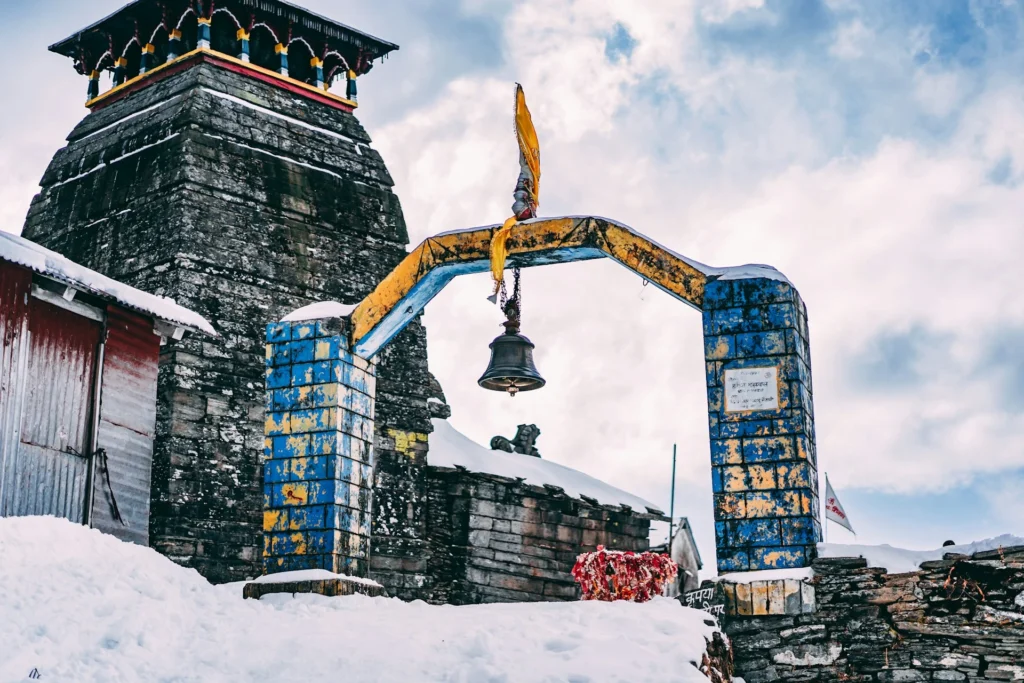
- Tungnath Temple – At approximately 3,680 metres, this is the world’s highest Shiva temple.
- Chandrashila Summit – At 4,000 metres, a 360-degree panorama takes in Nanda Devi, Chaukhamba, Trishul, and — on clear days — the Himalayan arc stretching towards Nepal.
- Chopta Meadows – Beautiful bugyals (alpine meadows) surrounding the village, particularly stunning in April when rhododendrons are in bloom.
- Kedarnath Wildlife Sanctuary (Hidden Gem) – A habitat corridor protecting Himalayan monals, musk deer, and brown bears.
Best Time to Visit
April to June and September to November for trekking; December to February brings snowfall that makes the area magical but the roads unpredictable.
Things to Do
- Trek to Tungnath (3.5 km from Chopta) and continue to Chandrashila (1.5 km further) — an achievable day trek for most fit travellers.
- Start at 5 am for the summit sunrise and clear views before clouds form.
- Camp at the meadows in autumn for a genuine wilderness experience.
Ideal Trip Duration
2–3 days: trekking, meadow walks, and birdwatching in the sanctuary.
💎 Hidden Gem: The Kedarnath Wildlife Sanctuary around Chopta hosts over 200 bird species, including the Himalayan monal — arguably one of the world’s most beautiful birds and Uttarakhand’s state bird.
11. Munsiyari – Hidden Gem of Kumaon
Munsiyari lies at the base of the Panchachuli Peaks (a group of five summits between 6,334 and 6,904 metres) in the Pithoragarh district, around 135 km from Pithoragarh town. It’s the kind of place that serious trekkers have known about for years but that still manages to feel undiscovered. The views of the Panchachuli range from the town are among the finest in the Kumaon Himalayas.
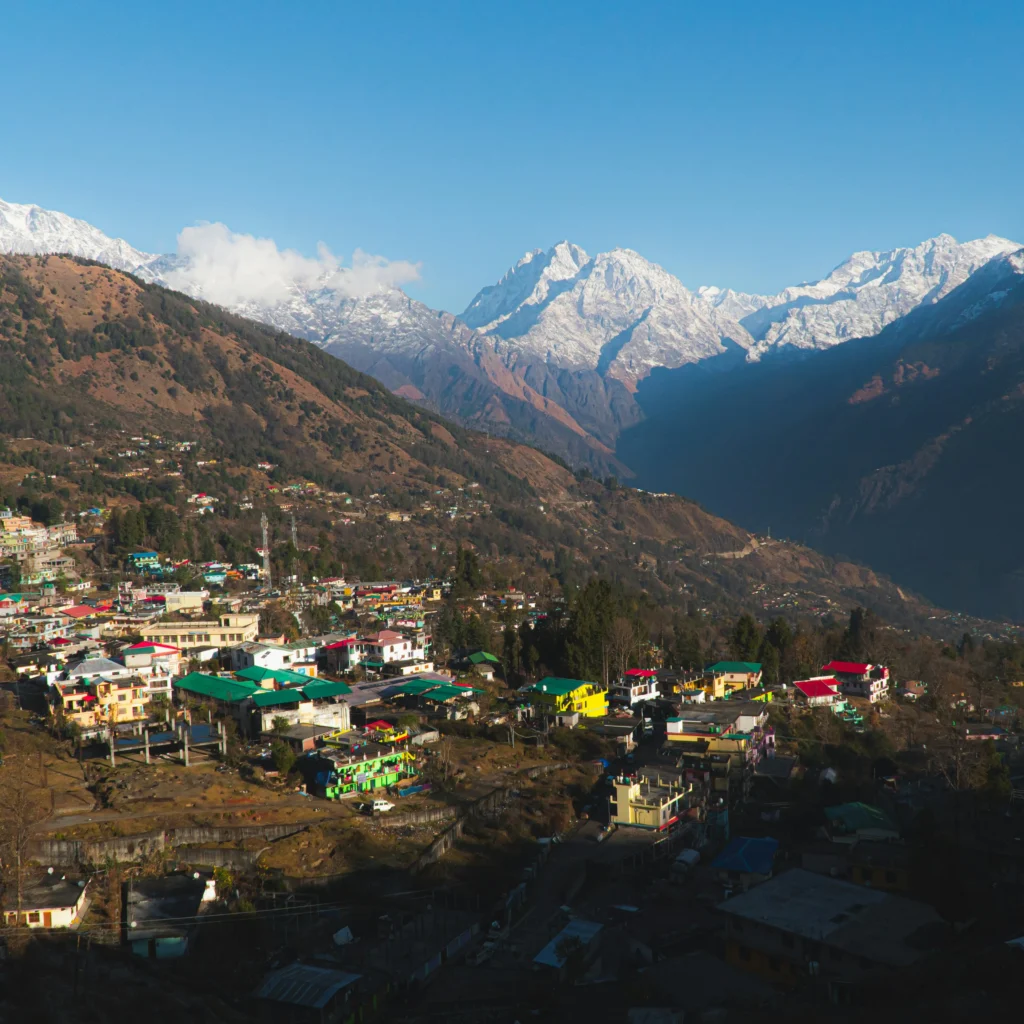
Top Attractions
- Panchachuli Peaks – Five glaciated summits that dominate the horizon; best seen at sunrise from the town.
- Birthi Falls – A 126-metre waterfall in lush mountain forest, accessible en route to Munsiyari.
- Khaliya Top – A moderate trek (6 km) to an alpine meadow with panoramic Himalayan views.
- Thamri Kund – A high-altitude lake surrounded by oak and rhododendron forest, ideal for birdwatching.
- Darkot Village (Hidden Gem) – A traditional Himalayan village famous for handcrafted woollen shawls.
Best Time to Visit
March to June and September to November offer clear views and pleasant trekking conditions.
Things to Do
- Trek to Khaliya Top for the best sunrise view of the Panchachuli range.
- Visit Birthi Falls on the way in or out — it’s roadside and easy to miss.
- Walk through Darkot Village and watch weavers at their looms.
- Hire a local guide for the Milam Glacier trek (3–4 days) if you have the time.
Ideal Trip Duration
2–3 days for the viewpoints, waterfalls, and local culture at a relaxed pace.
💎 Hidden Gem: Darkot Village, 2 km from Munsiyari, is where the Shauka community has produced handwoven woollen products for generations — one of Uttarakhand’s most authentic craft experiences.
12. Kausani – Switzerland of India
Kausani, in the Bageshwar district at around 1,890 metres, earned its “Switzerland of India” label from the sweeping 300-km panorama of Himalayan peaks visible from its ridge — Nanda Devi, Trishul, Nanda Kot, and more. Mahatma Gandhi spent 12 days here in 1929, calling it “India’s Switzerland” himself. The town’s organic tea gardens and literary connections (poet Sumitranandan Pant was born here) add texture to what might otherwise be just a viewpoint.
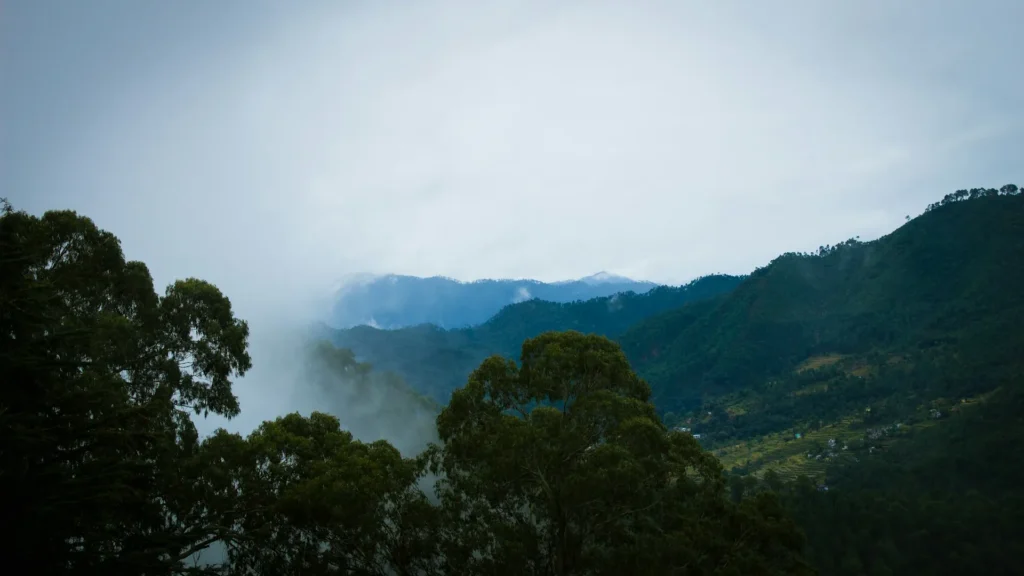
Top Attractions
- Anashakti Ashram – Where Gandhi stayed; now a museum and spiritual study centre with a daily prayer meeting.
- Kausani Tea Estate – Organic tea cultivation at altitude; guided walks are available.
- Sumitranandan Pant Gallery – A museum dedicated to the renowned Hindi poet, displaying manuscripts and personal effects.
- Rudradhari Falls and Caves (Hidden Gem) – A tranquil waterfall and cave site in pine-oak forest, rarely crowded.
Best Time to Visit
March to June for pleasant weather; September to November for the clearest peak views.
Things to Do
- Position yourself at the tea garden viewpoint for sunrise over the Himalayan arc.
- Attend the morning prayer at Anashakti Ashram (open to all visitors).
- Walk through the tea gardens and ask about the organic cultivation process.
- Trek to Rudradhari Falls through pine forest — about 2 km each way.
Ideal Trip Duration
1–2 days for the views, tea gardens, and cultural attractions.
💎 Hidden Gem: Rudradhari Falls is one of Kausani’s best-kept secrets — a half-day forest walk away, with an ancient cave temple that predates the town’s tourist infrastructure.
13. Almora – Cultural Heart of Kumaon
Almora is the cultural capital of the Kumaon Himalayas — a crescent-shaped ridge town whose stone-paved bazaar and ornate temples have been drawing travellers since at least the 9th century. The Jageshwar temple complex, a group of over 100 shrines from the 7th–12th centuries, is one of North India’s most underrated archaeological sites. Bob Dylan visited in the 1960s; Swami Vivekananda and Alfred Parker both spent time here.
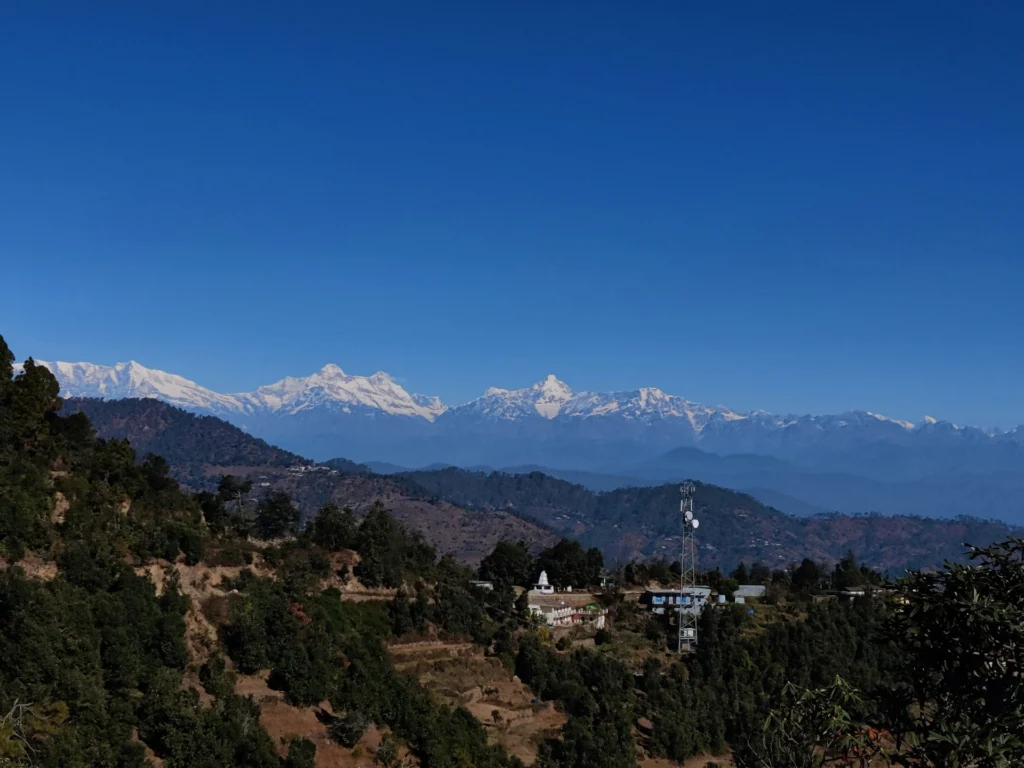
Top Attractions
- Jageshwar Temple Complex – Over 100 ancient stone temples in a cedar forest; the Archaeological Survey of India maintains the site.
- Lakhudiyar Caves – Prehistoric rock shelters with Stone Age pictographs, some of the oldest evidence of human settlement in the Kumaon region.
- Katarmal Sun Temple – A 9th-century Katyuri-dynasty structure with unique architectural details not seen elsewhere in the region.
- Golu Devta Temple (Chitai) – A revered shrine to the God of Justice, famous for the thousands of brass bells and handwritten letters hung by devotees.
- Crank’s Ridge (Hidden Gem) – A pine-covered ridge above the town with a quiet, almost mystical quality that once attracted writers and spiritual seekers.
Best Time to Visit
March to June or September to November for the best weather and clearest mountain views.
Things to Do
- Explore Jageshwar in the early morning before tour groups arrive — the cedar-forest setting is especially atmospheric.
- Watch the Almora Dussehra effigy parade, which has a distinctive Kumaoni character quite different from the famous Mysore celebrations.
- Trek through woodland above the town for sweeping views of Nanda Devi and Trishul.
Ideal Trip Duration
2–3 days to explore the temple circuit and absorb the town’s cultural atmosphere.
💎 Hidden Gem: Crank’s Ridge sits above the town centre — a 30-minute walk through pine forest that opens to panoramic views and an unusual silence that makes it easy to understand why it attracted so many artists and seekers over the decades.
14. Ranikhet – Peace Amid Pine Forests
About 80 km from Haldwani in the Almora district, Ranikhet — ‘Queen’s Meadow’ in Hindi — is a hill station whose identity is shaped by its role as the cantonment headquarters of the Kumaon Regiment. Wide, shaded roads, bungalows set in apple orchards, and the smell of pine define the place. It’s quieter than Nainital or Mussoorie and all the better for it.
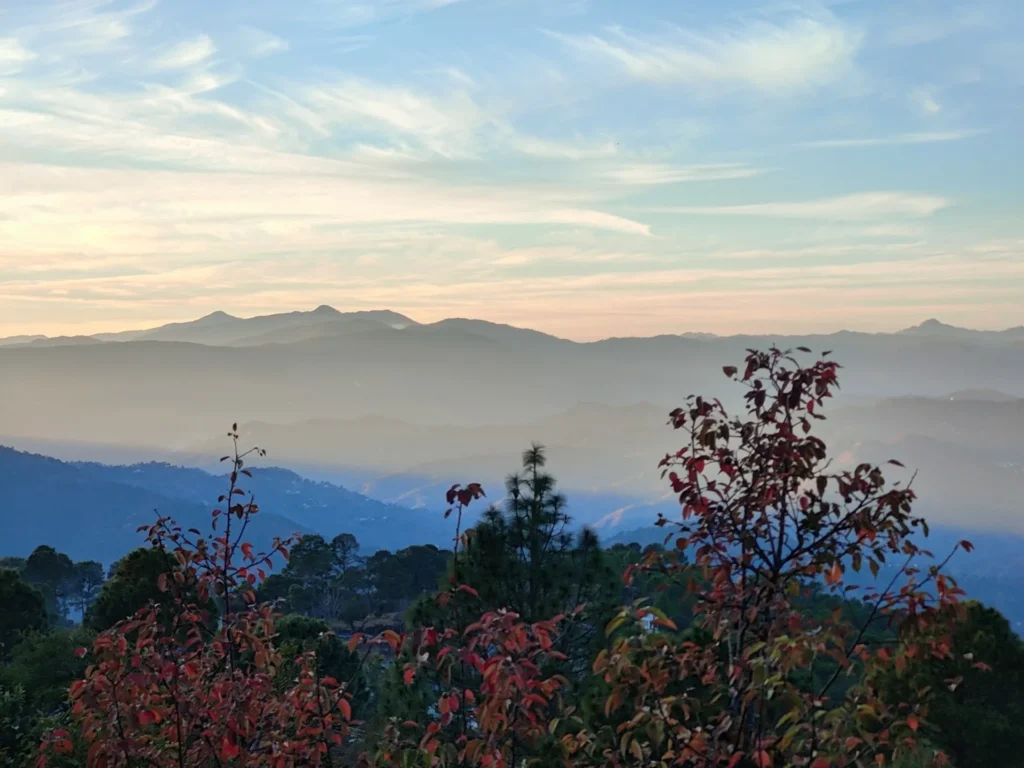
Top Attractions
- Jhula Devi Temple – An ancient Durga temple famous for the thousands of brass bells offered by grateful devotees.
- Upat Golf Course – One of Asia’s highest nine-hole courses, set in meadows with Himalayan views.
- Chaubatia Orchards – A 600-acre government orchard growing apples, plums, and apricots with mountain views.
- Haidakhan Babaji Temple – A peaceful spiritual centre at Chiliyanaula, offering a quieter kind of religious experience.
- Majkhali (Hidden Gem) – A village 12 km from Ranikhet with some of the area’s most unobstructed views of Trishul.
Best Time to Visit
March to June or September to November.
Things to Do
- Play a round at the Upat Golf Course — even non-golfers appreciate the views.
- Walk through the pine forest that lines the cantonment’s main roads.
- Visit Chaubatia Orchards during harvest season (September–October) for fresh produce.
- Ring the bells at Jhula Devi Temple — the accumulated weight of devotion over the centuries is genuinely affecting.
Ideal Trip Duration
1–2 days for the main landmarks and the town’s legendary quiet.
💎 Hidden Gem: Majkhali, a 20-minute drive from town, offers a close-up view of Trishul (7,120 m) that on clear winter mornings is breathtaking — and almost no one else is there.
15. Chakrata – Offbeat Mountain Escape
A restricted-area cantonment town 90 km from Dehradun, Chakrata is home to the indigenous Jaunsari community and some of the state’s least-visited forests. The air is noticeably cooler and quieter here than at more commercial hill stations.
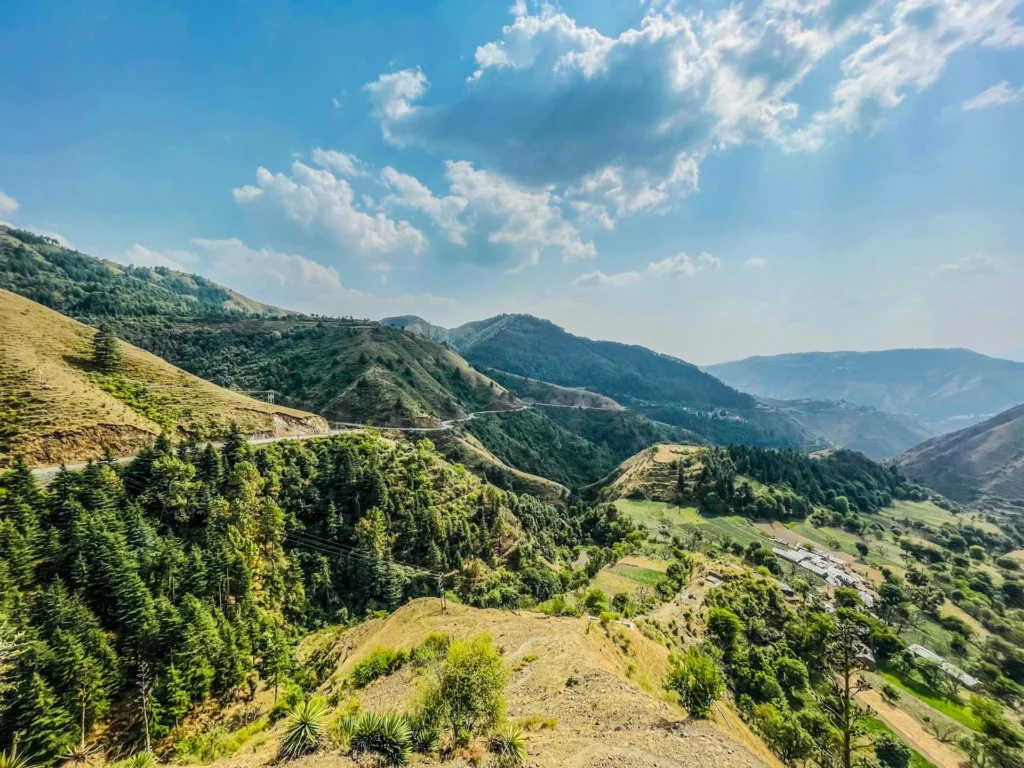
Top Attractions
- Tiger Falls – One of Uttarakhand’s highest waterfalls, accessible via forest trek.
- Deoban – Pine forest with exceptional birdwatching and Himalayan views.
- Budher Caves – Natural limestone caves popular with geology enthusiasts.
- Lakhamandal Temple – An ancient Shiva temple with remarkable stone carvings.
- Chilmiri Neck (Hidden Gem) – The highest viewpoint in Chakrata with sunset views.
Best Time to Visit
March to June and October to November.
Things to Do
- Trek to Tiger Falls through forest trails.
- Explore Budher Caves with a torch and local guide.
- Watch the sunset from Chilmiri Neck.
Ideal Trip Duration
2–3 days for waterfalls, viewpoints, caves, and cultural landmarks.
16. Dhanaulti – Quiet Alternative to Mussoorie
Just 24 km from Mussoorie and 60 km from Dehradun, Dhanaulti is where you go when Mussoorie feels too busy. Dense deodar forests, well-maintained eco parks, and a revered hilltop temple make it an ideal base for a day or two of quiet mountain living.
Top Attractions
- Surkanda Devi Temple – A hilltop shrine 2 km trek from Kaddukhal, with panoramic Himalayan views.
- Himalayan Viewpoints – Clear sightlines across the Garhwal range on fine days.
- Kaddukhal Village – The trek start point and a charming traditional village.
- Dhanaulti Forest Trails (Hidden Gem) – Peaceful paths through deodar and oak.
Best Time to Visit
March to June for pleasant weather; December to February for snowfall.
Things to Do
- Trek to Surkanda Devi Temple for views and the temple atmosphere.
- Enjoy sunrise over the Garhwal Himalayas from the eco park.
- Drive the scenic Mussoorie–Dhanaulti road.
Ideal Trip Duration
1–2 days for the temple, forests, and peaceful mountain scenery.
17. Harsil – A Himalayan Paradise
Sitting on the banks of the Bhagirathi River at around 2,620 metres, Harsil is the last major settlement before Gangotri. Its apple orchards, traditional stone houses, and extraordinary river views make it a natural resting point — or a destination in its own right for those who want to pause rather than rush toward the pilgrimage.
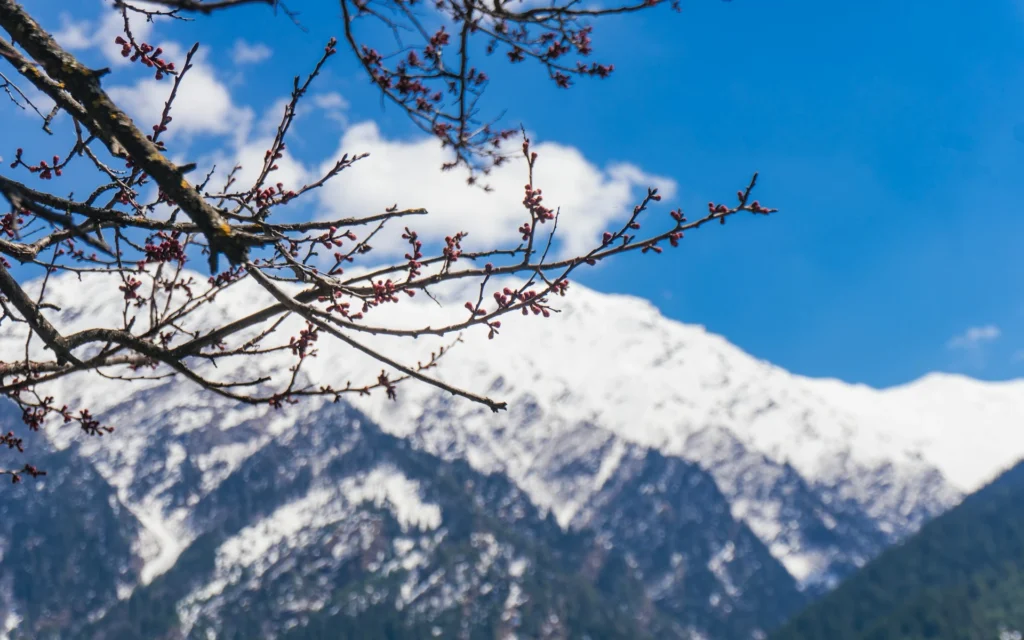
Top Attractions
- Bhagirathi River – Fast, clear glacial water surrounded by peaks; one of the most photographed rivers in the Himalayas.
- Wilson Apple Orchards – High-quality orchards famous since the colonial era.
- Mukhba Village – Where the deity of Gangotri Temple is worshipped during the winter closure.
- Dharali – A picturesque village of traditional wooden houses.
- Sattal (Hidden Gem) – A group of high-altitude lakes reachable via a forest trek.
Best Time to Visit
April to June; September to October for apple harvest and clear skies.
Things to Do
- Walk through apple orchards and pine forests.
- Visit Mukhba Village to experience winter traditions.
- Trek to the Sattal lakes.
Ideal Trip Duration
1–2 days exploring the valley and nearby villages.
18. Mukteshwar – Perfect Weekend Getaway
Mukteshwar sits at nearly 2,300 metres in the Nainital district, commanding a 180-degree panorama that on clear winter mornings takes in Nanda Devi, Trishul, and Nanda Kot. The 350-year-old Mukteshwar Dham temple and a crumbling British-era research campus add a layered, unhurried quality to the place.
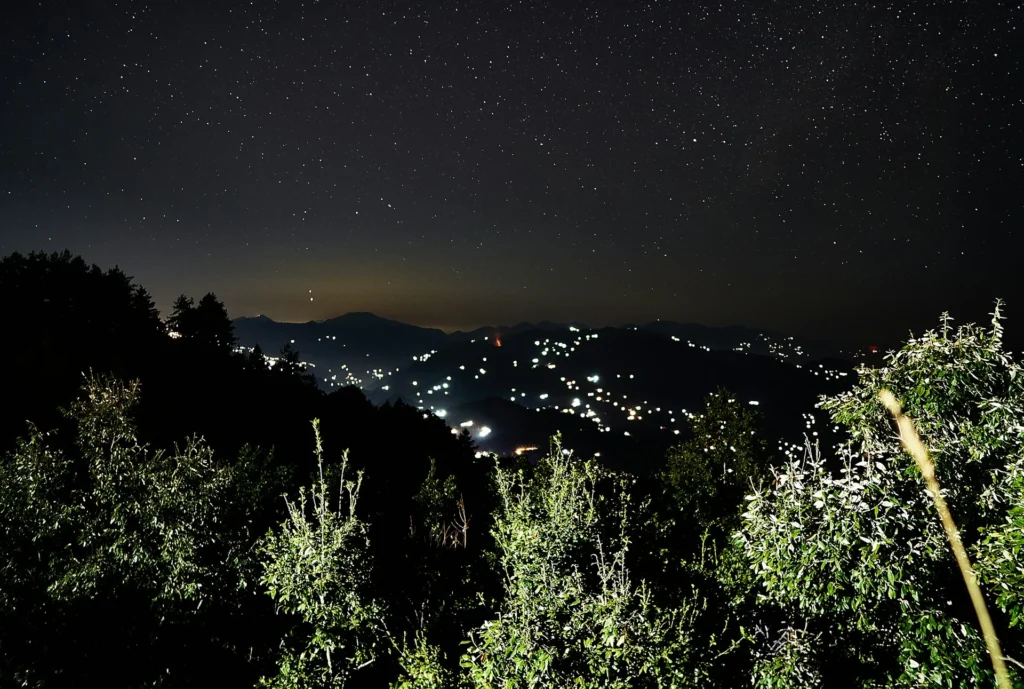
Top Attractions
- Mukteshwar Dham Temple – A 350-year-old Shiva temple on a ridge with sweeping views.
- Chauli Ki Jali – Natural rock formations on a cliff edge; rock climbing and rappelling are possible here.
- Bhalu Gaad Waterfall – A refreshing nature escape via short forest trek.
- IVRI Campus – Historic colonial research institute amid deodar groves.
- Peora Village (Hidden Gem) – Authentic Kumaoni settlement with stone houses and orchards.
Best Time to Visit
March to June for views; October to February for possible snowfall.
Things to Do
- Join a guided nature walk through oak and pine forests.
- Try rock climbing or zip-lining at Chauli Ki Jali.
- Visit Peora Village for a taste of traditional Kumaoni life.
- Try Bhatt ki Churkani and Bhang ki Chutney at local cafes.
Ideal Trip Duration
2–3 days for the temple, adventure sports, and surrounding villages.
19. Tehri Lake – Adventure Lover’s Paradise
Created by the Tehri Dam on the Bhagirathi River, this turquoise reservoir is Uttarakhand’s largest artificial lake and one of its fastest-growing adventure destinations. The dam itself — India’s tallest — is a feat of engineering in its own right.
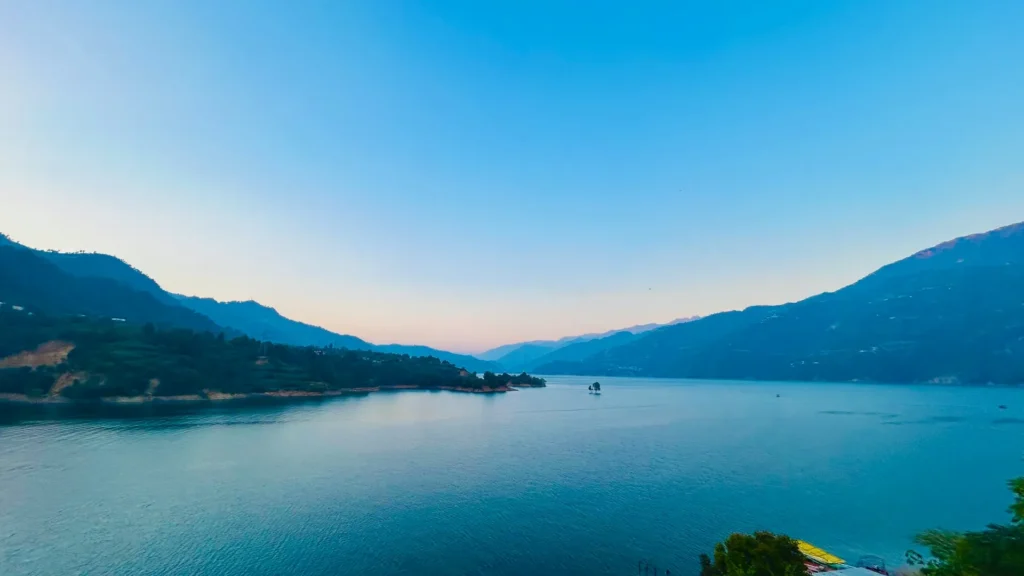
Top Attractions
- Tehri Dam – India’s tallest dam, offering striking views of the reservoir.
- Dobra Chanti Bridge – A 725-metre suspension bridge across the lake.
- Tehri Lake Adventure Zone – Hub for jet skiing, kayaking, parasailing, and boating.
- Koteshwar Mahadev Temple (Hidden Gem) – A revered cave temple to Lord Shiva near the lake.
Best Time to Visit
March to June for water sports; October to December for views and comfortable weather.
Things to Do
- Enjoy jet skiing, kayaking, and speed boating.
- Experience parasailing over the lake.
- Explore the Koteshwar temple, often overlooked by adventure-seeking visitors.
Ideal Trip Duration
1–2 days for water sports and the area’s main attractions.
20. Mana Village – India’s Last Village
Mana sits just 3 km from Badrinath and near the Indo-Tibetan border — it has long styled itself ‘India’s Last Village’ (though its residents call it the first). Its real pull is mythological: the caves here are linked to the composition of the Mahabharata, making it as much a spiritual destination as a scenic one.
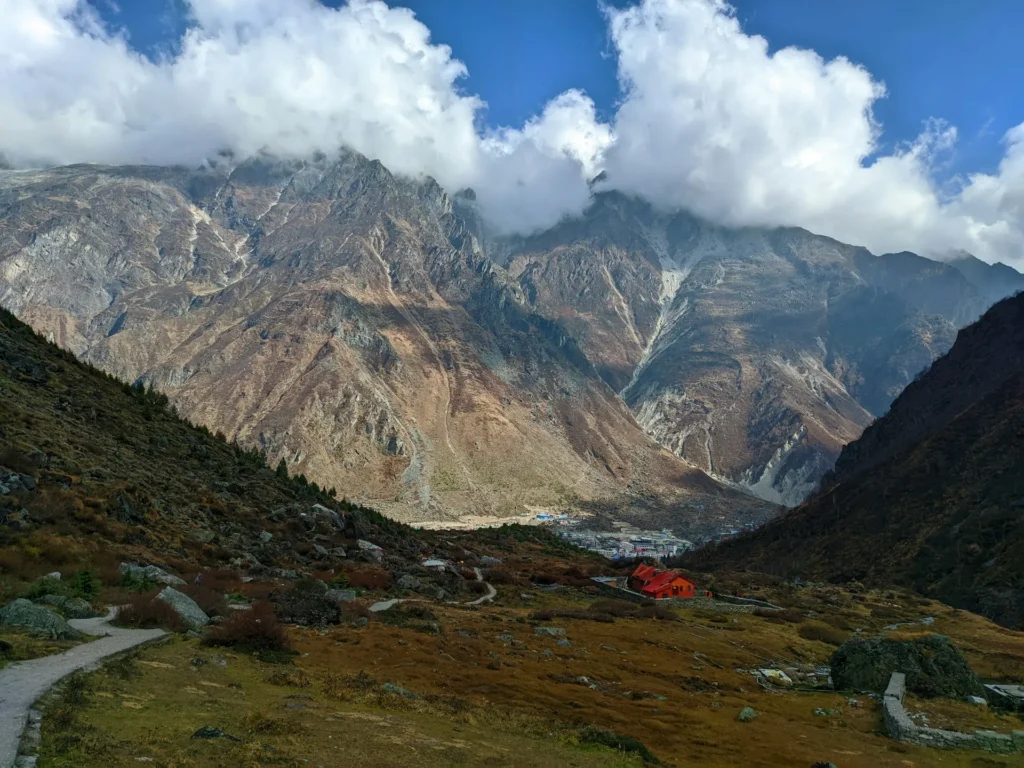
Top Attractions
- Vyas Gufa – The cave where Sage Vyasa is said to have dictated the Mahabharata.
- Ganesh Gufa – The cave where Lord Ganesha is said to have transcribed it.
- Bheema Pul – A massive natural rock bridge spanning the Saraswati River, said to have been placed by Bhima.
- Saraswati River – One of the few places where the sacred river appears above ground.
- Vasudhara Falls (Hidden Gem) – A 145-metre waterfall reached via a 5-km trek from the village.
Best Time to Visit
May to June and September to October; the village is snowbound in winter.
Things to Do
- Visit the mythological caves and walk across Bheema Pul.
- Trek to Vasudhara Falls — the round trip takes 3–4 hours.
- Learn about the traditions of the Bhotiya community.
Ideal Trip Duration
1 day, ideally combined with a Badrinath visit.
21. Dehradun – The Gateway City
Uttarakhand’s winter capital sits in the Doon Valley between the Shivalik Hills and the Lesser Himalayas, around 245 km from Delhi. Most visitors treat it purely as a transit point — a mistake, given its colonial institutions, excellent monastery, and the wild sulphur springs at Sahastradhara.
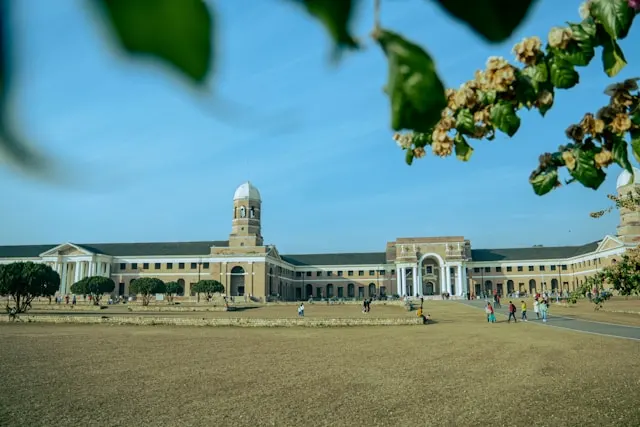
Top Attractions
- Forest Research Institute – A grand colonial campus housing a remarkable forestry museum.
- Mindrolling Monastery – One of India’s largest Buddhist monasteries, with a 185-foot Great Stupa.
- Tapkeshwar Temple – A cave temple dedicated to Lord Shiva, set beside a seasonal stream.
- Robbers Cave (Guchhupani) – A natural river cave system popular with local visitors.
- Malsi Deer Park (Hidden Gem) – A peaceful zoo home to deer, peacocks, and native wildlife.
Best Time to Visit
March to June and October to March for sightseeing.
Things to Do
- Spend a morning at the Forest Research Institute campus.
- Visit Mindrolling Monastery in the late afternoon for the best light.
- Try the local Garhwali thali for lunch.
Ideal Trip Duration
1–2 days to cover the main attractions.
22. Bhimtal – Serene Lake Town
Forty-five kilometres from Mukteshwar and 22 km from Nainital, Bhimtal is quieter and larger than its famous neighbour. The Bhimtal Lake — named after the Pandava hero Bhima — has a tiny island at its centre accessible by rowing boat, and the surrounding village cafes are considerably less hectic than Mall Road.
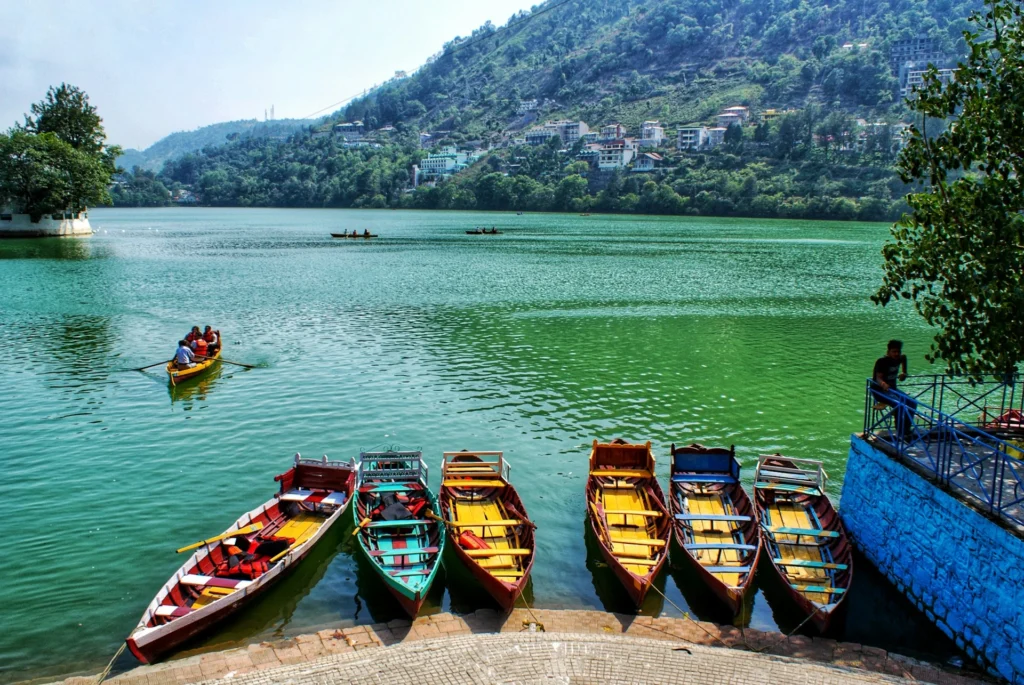
Top Attractions
- Bhimtal Lake – A large, calm lake with mountain views and an island at its centre.
- Island Aquarium – A small aquarium on the island, a novelty for families.
- Lakeside Promenades – Quiet paths for walks and photography.
- Oak and Pine Groves – Peaceful forest surroundings for nature walks.
Best Time to Visit
March to June for the best lakeside conditions and views.
Things to Do
- Rent a boat and row out to the central island.
- Explore lakeside cafes for Kumaoni cuisine.
- Take a peaceful forest walk in the surrounding groves.
Ideal Trip Duration
1–2 days for a relaxed lake and forest experience.
23. Sattal – The Land of Seven Lakes
Sattal, around 40 km from Mukteshwar in the Nainital district, is named for its seven interconnected freshwater lakes tucked within oak and pine forest. Largely free from motorboat traffic, the lakes feel genuinely pristine and are recognized as an Important Bird Area (IBA).
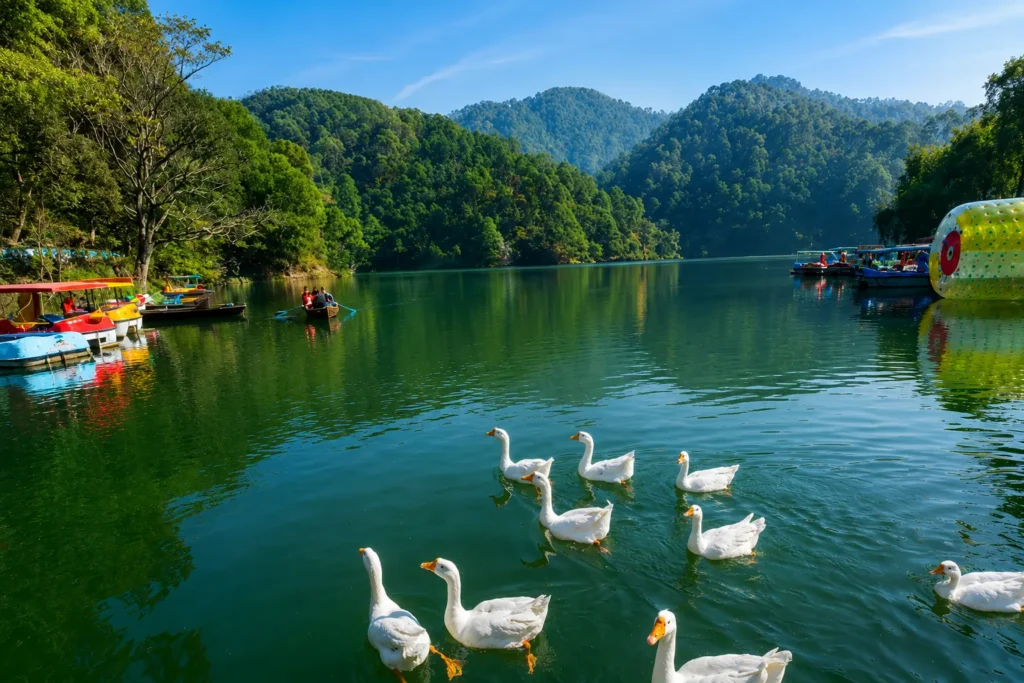
Top Attractions
- Seven Interconnected Lakes – Unique freshwater system connected by natural channels.
- Oak and Pine Forests – Dense woodland with excellent birdwatching.
- Butterfly Museum (Hidden Gem) – A small but impressive museum with regional butterfly and insect collections.
Best Time to Visit
March to June for pleasant weather; October to February for cool temperatures and birdwatching.
Things to Do
- Kayak or canoe on the lakes (equipment available locally).
- Go birdwatching at dawn — over 500 species have been recorded in the area.
- Camp by the lakeside for a genuine nature immersion.
Ideal Trip Duration
1–2 days for the lakes, birding, and forest trails.
24. Naukuchiatal – Nine-Cornered Lake
Naukuchiatal (nau = nine, kuchi = corners, tal = lake) sits 35 km from Kathgodam and holds the distinction of being the deepest natural lake in the Kumaon region. The nine-cornered shape gives it a unique character, and the surrounding hills offer paragliding that’s accessible to beginners.
Top Attractions
- Naukuchiatal Lake – Spring-fed lake famous for its nine corners, boating, and views.
- Hanuman Temple – Features a 52-foot Hanuman statue and an artificial cave.
- Brahma Temple – One of the few temples in the region dedicated to Lord Brahma.
- Jungliagaon (Hidden Gem) – A quiet hill village with panoramic views and forest trails.
Best Time to Visit
March to June and September to November.
Things to Do
- Enjoy paragliding over the Kumaon hills (beginner-friendly).
- Row or kayak on the lake.
- Walk to Jungliagaon for views and village life.
Ideal Trip Duration
1–2 days for water sports, birdwatching, and relaxation.
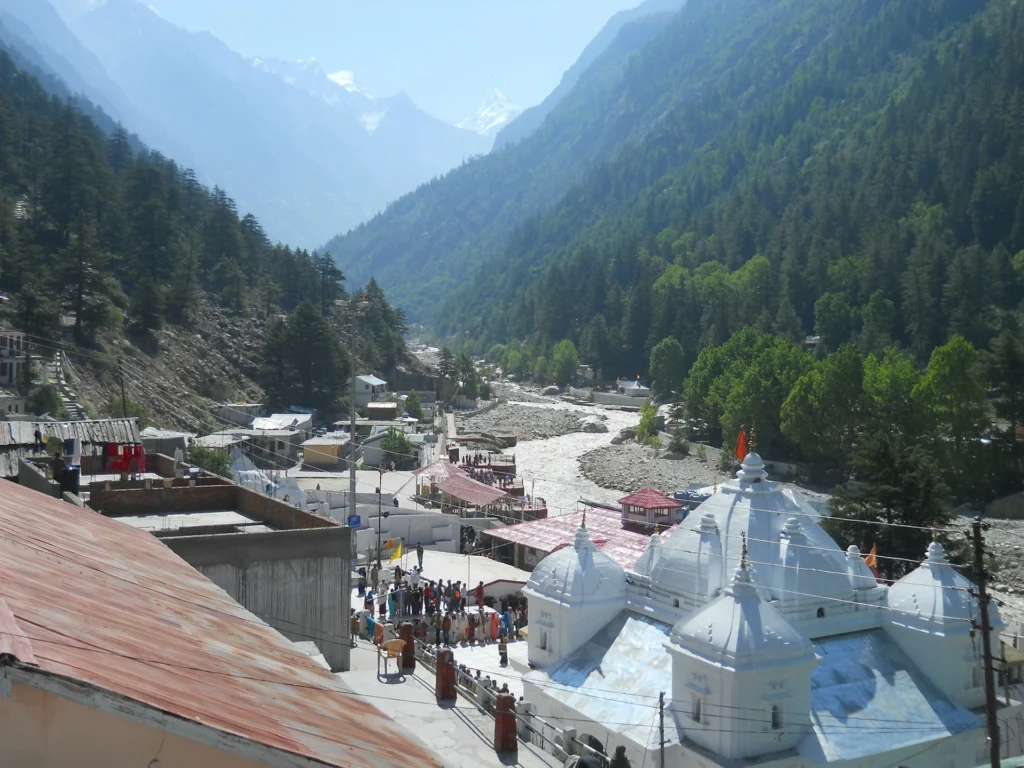
25. Gangotri – The Sacred Source of the Ganges
At around 3,100 metres in the Uttarkashi district, Gangotri is one of the four Char Dham sites — the temple marks the place where the Ganges is believed to have descended to earth. The actual glacier source (Gomukh) is a further 19-km trek, making this a destination that rewards those who stay longer.
Top Attractions
- Gangotri Temple – A revered shrine to Goddess Ganga; atmospheric early mornings when pilgrims first arrive.
- Gangotri Glacier – One of the Himalayas’ largest glaciers and the source of the Bhagirathi River.
- Gangotri National Park – Protected alpine wilderness with rare wildlife.
- Gomukh (Hidden Gem) – The glacier’s snout and considered the true source of the Ganges — requires a trekking permit.
Best Time to Visit
May to October, when the temple and trekking routes are open.
Things to Do
- Attend the evening Ganga Aarti at Gangotri Temple.
- Trek to Gomukh (3–4 days round trip) for the full pilgrimage experience.
- Take a ritual dip in the Bhagirathi River.
Ideal Trip Duration
2–3 days for temple darshan and Gomukh trek.
26. Yamunotri – Source of the Sacred Yamuna
The westernmost of the four Char Dhams, Yamunotri in the Uttarkashi district is accessed via a 5–6 km trek from Janki Chatti. The sacred hot springs here — particularly Surya Kund — where pilgrims cook rice as a ritual offering, give the site a distinctly unique character.
Top Attractions
- Yamunotri Temple – The principal shrine dedicated to Goddess Yamuna, set at around 3,293 metres.
- Surya Kund – Natural hot spring used for ritual rice-cooking; the water temperature is around 88°C.
- Divya Shila – A sacred rock pillar worshipped before entering the temple.
- Saptrishi Kund (Hidden Gem) – A high-altitude glacial lake believed to be the Yamuna’s true source; requires an extra trek.
Best Time to Visit
May to October, when the temple and route are accessible.
Things to Do
- Trek from Janki Chatti to the temple — 5 km one way, allow 3 hours.
- Experience the Surya Kund ritual — watching pilgrims cook rice in the hot spring is memorable.
- Offer prayers at Divya Shila before entering the temple.
Ideal Trip Duration
1–2 days for the trek and temple.
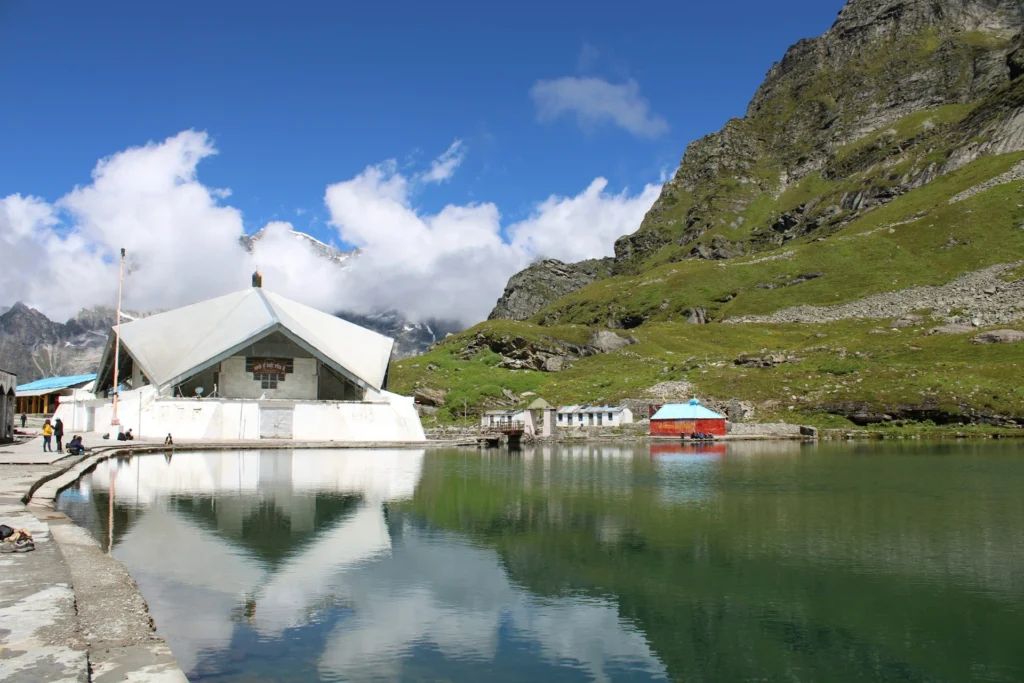
27. Hemkund Sahib – Highest Sikh Pilgrimage in the World
At 4,329 metres in the Chamoli district, Hemkund Sahib is among the world’s highest Sikh pilgrimage sites — a star-shaped Gurudwara beside a glacial lake, surrounded by seven snow-covered peaks. The 6-km trek from Ghangaria gains over 700 metres of altitude, making it challenging but achievable for most reasonably fit visitors.
Top Attractions
- Hemkund Sahib Gurudwara – Revered for its connection to Guru Gobind Singh, who is believed to have meditated beside this lake in a previous life.
- Hemkund Lake – A pristine alpine lake where pilgrims take a ritual dip despite the near-freezing temperatures.
- Lakshman Temple – A revered shrine near the lake dedicated to Lakshman of the Ramayana.
- Brahma Kamal Meadows (Hidden Gem) – High-altitude slopes where Uttarakhand’s state flower blooms in August.
Best Time to Visit
June to October, when the shrine and trek are accessible.
Things to Do
- Trek from Ghangaria early (6 am) to avoid afternoon storms.
- Attend the Gurbani prayers at the Gurudwara.
- Look for Brahma Kamal blooms on the slopes if visiting in August.
Ideal Trip Duration
2–3 days from Govindghat via Ghangaria, allowing acclimatisation time.
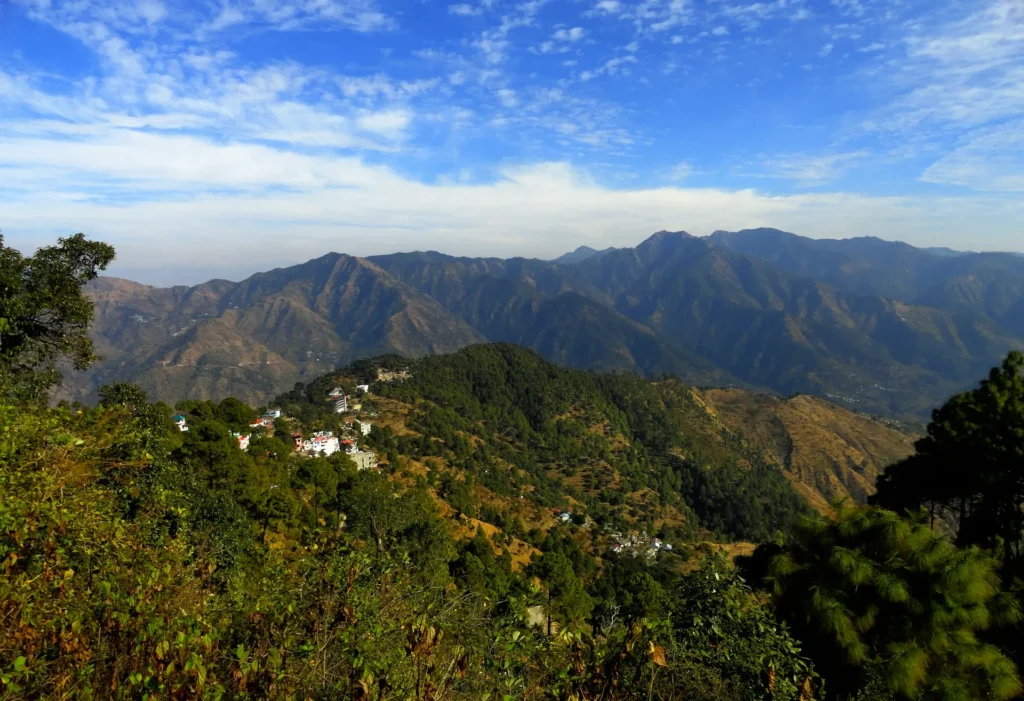
28. Lansdowne – Colonial Cantonment in the Forest
Established by the British in 1887 as a cantonment for the Garhwal Rifles, Lansdowne in Pauri Garhwal has maintained a distinctive quiet that most hill stations have long since lost. Oak and pine forests, colonial church, regimental museum, and a lake maintained by the Indian Army make it an unusually relaxed destination.
Top Attractions
- Tip-in-Top (Tiffin Top) – Popular viewpoint with panoramic views of the Himalayas.
- Bhulla Tal – A man-made lake maintained by the Indian Army, ideal for boating.
- St. John’s Church – A beautiful colonial-era church in a tranquil setting.
- Garhwal Rifles Regimental Museum – A fascinating military history collection.
- Darwan Singh Sangrahalaya (Hidden Gem) – A museum dedicated to Victoria Cross awardee Darwan Singh Negi.
Best Time to Visit
March to June and September to November.
Things to Do
- Visit the Regimental Museum for an underrated insight into the Garhwal Rifles’ history.
- Boat on Bhulla Tal in the late afternoon.
- Watch sunset from Tip-in-Top.
Ideal Trip Duration
1–2 days for viewpoints, heritage, and forest walks.
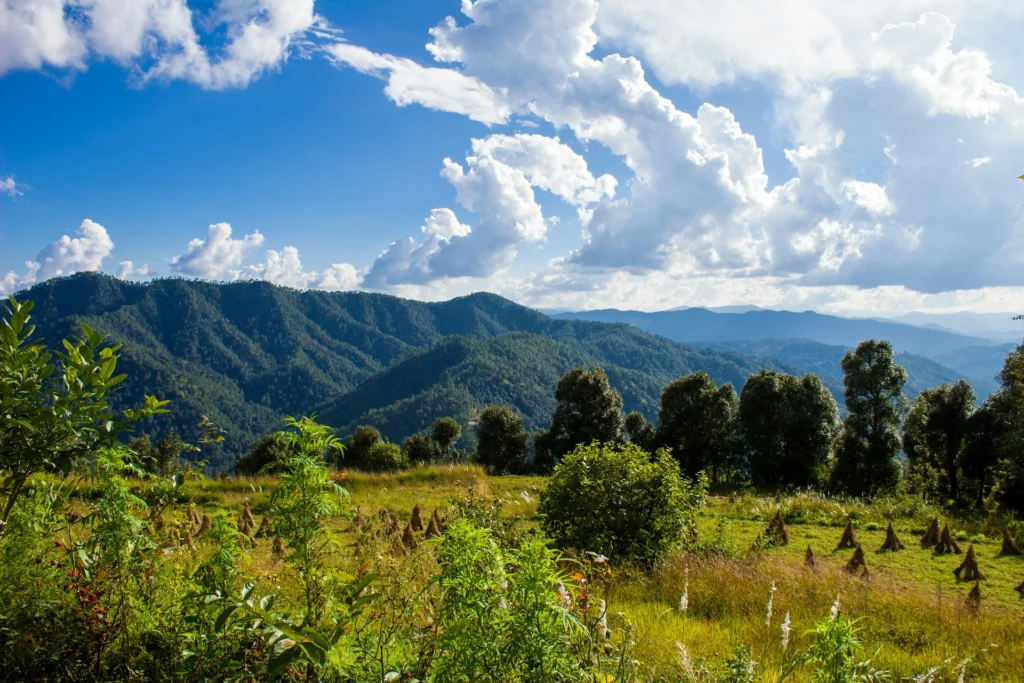
29. Binsar Wildlife Sanctuary – Forest Sanctuary with Himalayan Panoramas
Thirty kilometres from Almora in the Almora district, Binsar Wildlife Sanctuary protects a 47-sq-km expanse of oak, rhododendron, and pine forest. The sanctuary’s highest point — Zero Point — offers an unobstructed panorama of over 300 km of Himalayan peaks. It’s one of Uttarakhand’s finest, and most underrated, viewpoints.
Top Attractions
- Zero Point – The highest viewpoint in the sanctuary, with views of Nanda Devi, Trishul, and Panchachuli.
- Bineshwar Mahadev Temple – A historic Shiva temple at the sanctuary’s heart.
- Oak and Rhododendron Forests – Rich habitat for birds and wildlife.
- Khali Estate (Hidden Gem) – A heritage property with forest trails and complete seclusion.
Best Time to Visit
March to June and October to December for views.
Things to Do
- Trek to Zero Point for sunrise — allow 2 hours from the sanctuary entrance.
- Go birdwatching along the forest trails (over 200 species recorded).
- Visit Bineshwar Mahadev Temple in the evening.
Ideal Trip Duration
1–2 days for trekking, wildlife spotting, and forest walks.
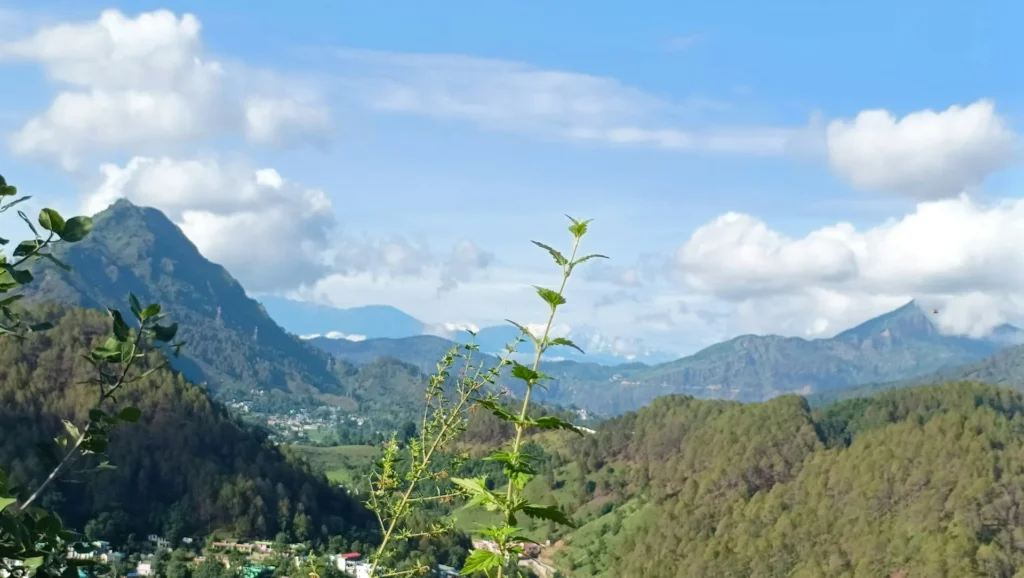
30. Pithoragarh – Little Kashmir of Uttarakhand
The easternmost district headquarters of Kumaon, Pithoragarh sits in a small valley sometimes called the ‘Little Kashmir of Uttarakhand.’ It’s primarily a staging point for serious expeditions — to Milam Glacier, Adi Kailash, and Om Parvat — but the valley views and the cave temple at Patal Bhuvaneshwar are worth a visit in themselves.
Top Attractions
- Patal Bhuvaneshwar – A subterranean limestone cave temple with natural rock formations that Hindu tradition identifies with various deities.
- Chandak – A ridge above the town with sweeping valley views.
- Munsiyari – A high-altitude base for glacier treks (covered separately above).
- Askot Musk Deer Sanctuary – Protected wilderness for the endangered alpine musk deer.
Best Time to Visit
March to June and September to November.
Things to Do
- Explore Patal Bhuvaneshwar cave with a local guide.
- Trek toward Milam Glacier from Munsiyari (3–4 days round trip).
- Watch sunrise over the Panchachuli range.
Ideal Trip Duration
3–4 days to account for long travel distances and remote attractions.
31. Dharchula – Gateway to Kailash Mansarovar
Dharchula, 90 km from Pithoragarh, sits on the Kali River forming the natural India–Nepal border. Its significance is primarily as the last Indian town on the routes to Adi Kailash and Kailash Mansarovar, but the Shauka cultural heritage and the riverside scenery have their own appeal.
Top Attractions
- Kali River – The natural boundary between India and Nepal; scenic and culturally significant.
- Askot Musk Deer Sanctuary – Alpine forest and wildlife on the approach.
- Narayan Ashram – A peaceful retreat at 2,734 metres, offering spectacular views.
- Om Parvat Route (Hidden Gem) – The high-altitude approach to the mountain with a natural ‘Om’ snowfield visible on its face.
Best Time to Visit
May to June and September to October.
Things to Do
- Visit Narayan Ashram for peace and mountain views.
- Experience the traditional culture of the Shauka community through local interaction.
- Explore trails along the Kali River.
Ideal Trip Duration
2–3 days for the town, ashram, and surrounding nature.
32. Abbott Mount – Forgotten British Hill Retreat
About 160 km from Kathgodam in the Champawat district, Abbott Mount is barely on the tourist map — which is precisely its appeal. A cluster of well-preserved British-era stone cottages, a historic church, and pine-deodar forest ridges with views of Nanda Devi and Trishul.
Top Attractions
- Abbott Mount Church – A stone church in a forest clearing that looks straight out of rural England.
- Colonial Bungalows – Well-preserved British-era structures; some operate as heritage guesthouses.
- Himalayan Viewpoints – Clear views of Nanda Devi and Trishul on good days.
- Abbott Mount Cricket Ground (Hidden Gem) – A historic hilltop cricket ground that may be the most improbable pitch in India.
Best Time to Visit
March to June and September to November.
Things to Do
- Wander through the pine and deodar forest at your own pace.
- Visit the church and explore the colonial architecture.
- Look for the cricket ground — it’s a genuine surprise.
Ideal Trip Duration
1–2 days for heritage, forest, and mountain views.
33. Pangot – Birding Capital of Kumaon
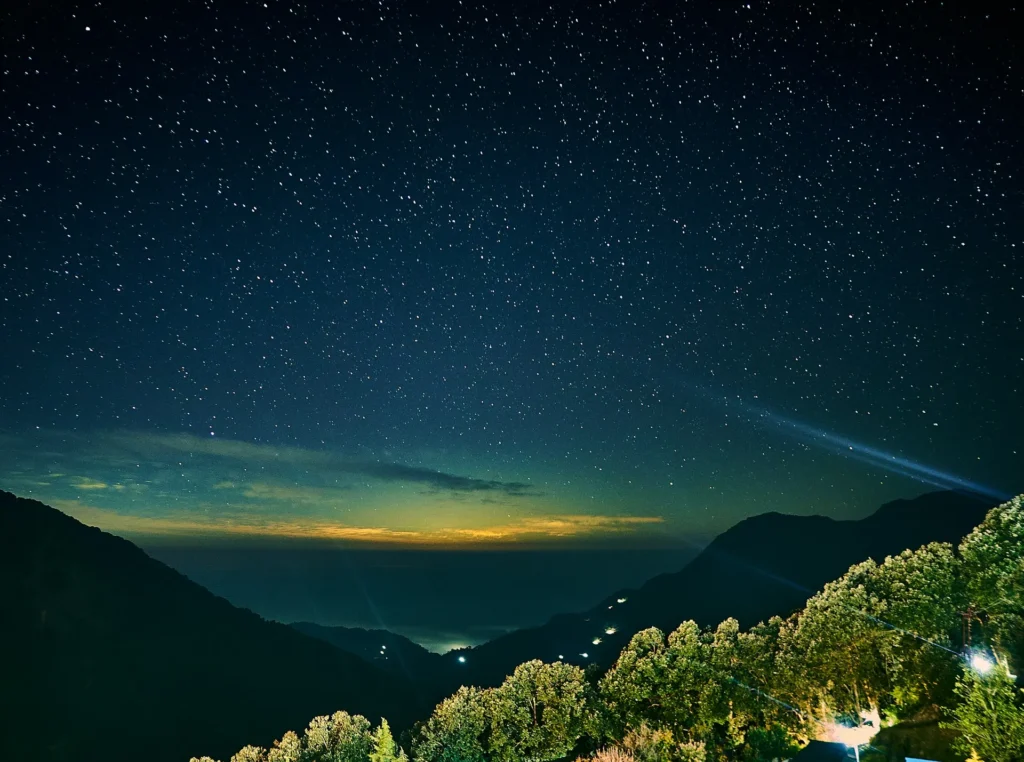
Just 12 km from Nainital but a world away in terms of atmosphere, Pangot is one of India’s premier birdwatching destinations with over 300 species recorded. Dense oak-rhododendron forest, simple homestays, and the complete absence of a commercial tourist infrastructure make it a favourite for serious naturalists.
Top Attractions
- Kilbury Bird Sanctuary – Prime forest reserve for rare Himalayan birds.
- Naina Devi Himalayan Bird Conservation Reserve – A protected high-altitude zone for mountain avifauna.
- Snow View Point Trek – A forest trail to panoramic Himalayan views.
- Kunjkarak (Hidden Gem) – A remote viewpoint offering views of the Great Himalayan range.
Best Time to Visit
March to June and September to November for birds and views.
Things to Do
- Join a birding guide at dawn — the first two hours after sunrise are the most productive.
- Trek to Snow View Point for panoramic mountain views.
- Walk village trails in the afternoon for different habitat and species.
Ideal Trip Duration
1–2 days for birding and forest exploration.
34. Kanatal – Off-Grid Mountain Retreat
Kanatal, 75 km from Dehradun in Tehri Garhwal, is a tiny village that has quietly become popular with campers and trekkers who want Himalayan scenery without the infrastructure of the bigger hill stations. Pine, oak, and deodar forests surround it on all sides.
Top Attractions
- Surkanda Devi Temple – A 2-km trek from Kaddukhal with outstanding views (also accessible from Dhanaulti).
- Tehri Dam – India’s tallest dam, visible on the way to Kanatal.
- Dhanaulti Eco Parks – Well-maintained forest parks for nature walks.
- Tehri Lake (Hidden Gem) – A short drive for jet skiing, kayaking, and water sports.
Best Time to Visit
March to June and September to November.
Things to Do
- Camp in the forest for a full immersive experience.
- Trek to Surkanda Devi Temple.
- Combine with a day trip to Tehri Lake for adventure sports.
Ideal Trip Duration
1–2 days for forest camping and trekking.
35. Khirsu – Himalayan Silence
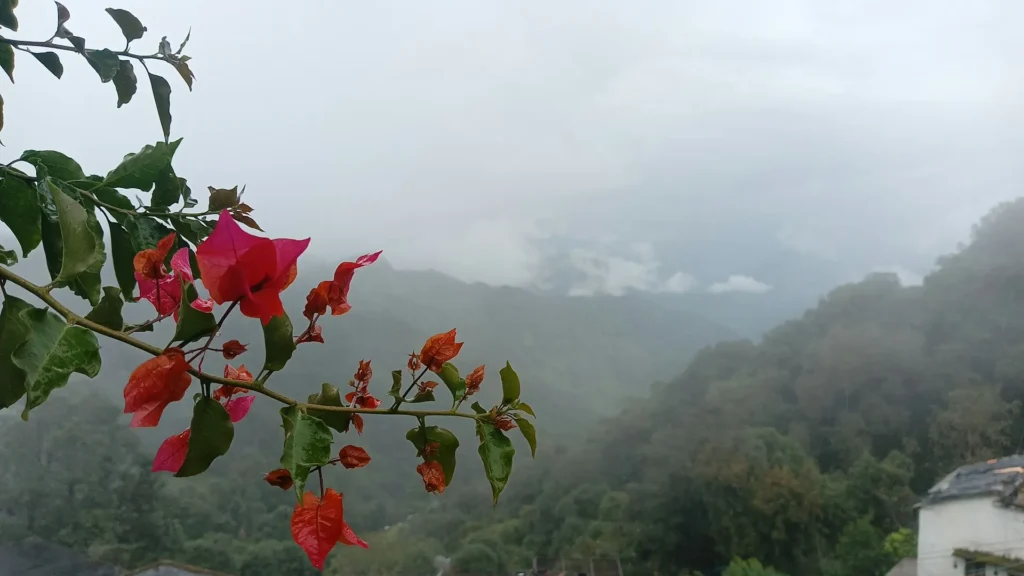
Fifteen kilometres from Pauri town in Pauri Garhwal, Khirsu is the quietest destination on this list — a hamlet of dense oak forest, two or three small temples, and an extraordinary panoramic view of the Garhwal Himalayan range. It’s the kind of place where you can hear your own thoughts again.
Top Attractions
- Ghandiyal Devi Temple – A peaceful local shrine with an authentic, uncommercialized atmosphere.
- Ulka Garhi – A scenic hilltop viewpoint for sweeping views of snow-capped Garhwal peaks.
- Oak and Deodar Forests – Perfect for birdwatching and meditative forest walks.
- Jwala Devi Temple – A revered site on a ridge above the valley.
Best Time to Visit
March to June and September to November.
Things to Do
- Trek to Ulka Garhi for sunrise Himalayan photography.
- Simply sit in the forest — the soundscape here is extraordinary.
- Visit both temples for an unhurried, authentic spiritual experience.
Ideal Trip Duration
1–2 days for viewpoints, temples, and deep forest quiet.
Best Time to Visit Uttarakhand by Season
Each season in Uttarakhand offers something different. Here’s how to match your interests to the time of year.
| Season | Best Destinations | Best For |
|---|---|---|
| Spring (March–April) | Mussoorie, Nainital, Ranikhet, Almora | Sightseeing, Nature Walks, Rhododendron bloom |
| Summer (May–June) | Auli, Chopta, Munsiyari, Valley of Flowers (late June) | Family Vacations, Trekking, Pilgrimage |
| Monsoon (July–September) | Valley of Flowers, Kausani, Binsar | Photography, Nature Lovers (note road risks) |
| Autumn (October–November) | Harsil, Mukteshwar, Chakrata, Chopta | Crystal-clear Himalayan views, trekking |
| Winter (December–February) | Auli, Dhanaulti, Mussoorie, Chopta | Skiing, Snowfall, Honeymoon Getaways |
Top Uttarakhand Destinations by Category
Best Hill Stations in Uttarakhand
- Mussoorie
- Nainital
- Ranikhet
- Almora
- Kausani
- Mukteshwar
- Chakrata
- Dhanaulti
- Lansdowne
- Munsiyari
Best Honeymoon Destinations
These destinations offer scenic cable car rides, cosy mountain resorts, candlelight dinners, and breathtaking sunrise and sunset views.
- Auli
- Mussoorie
- Nainital
- Chopta
- Kausani
- Mukteshwar
- Harsil
- Dhanaulti
Best Family Destinations
- Nainital
- Mussoorie
- Jim Corbett National Park
- Ranikhet
- Bhimtal
- Sattal
- Dehradun
- Tehri Lake
Best Places for Snowfall
Best months: December to February.
- Auli
- Chopta
- Dhanaulti
- Mussoorie
- Munsiyari
- Harsil
- Kedarnath (seasonal)
- Badrinath (seasonal)
Best Adventure Destinations
River Rafting: Rishikesh | Skiing: Auli | Bungee Jumping: Rishikesh | Wildlife Safari: Jim Corbett & Rajaji NP
Top Trekking Routes:
- Kedarnath Trek
- Valley of Flowers Trek
- Chopta–Tungnath–Chandrashila Trek
- Har Ki Dun Trek
- Roopkund Trek
Hidden Gems of Uttarakhand
If you prefer offbeat destinations away from crowds, these are worth planning around:
- Harsil
- Pangot
- Abbott Mount
- Khirsu
- Kanatal
- Munsiyari
- Dharchula
- Binsar
- Mana Village
- Sattal
Local Food Guide
Uttarakhand’s cuisine is built around high-altitude ingredients, slow-cooking traditions, and a simplicity that makes it both hearty and genuinely nourishing.
Must-Try Dishes
| Dish | Description |
|---|---|
| Kafuli | Green curry of spinach or fenugreek leaves — the definitive Uttarakhand dish. |
| Aloo Ke Gutke | Potatoes spiced with jakhya (a local seed) and dried red chillies. |
| Chainsoo | Roasted and ground black gram cooked with local spices. |
| Phaanu | A slow-cooked lentil preparation unique to Garhwal. |
| Bal Mithai | Brown chocolate-like fudge rolled in white sugar balls — an Almora specialty. |
| Singori | Sweet khoya wrapped in maalu leaf, giving it a subtle herbal flavour. |
| Jhangora Ki Kheer | Pudding made from barnyard millet — a nutritious mountain staple. |
| Bhang ki Chutney | Hemp-seed chutney — tangy, nutty, and entirely non-intoxicating. |
| Gahat Dal | Horse gram soup, warming and protein-rich — winter mountain food at its finest. |
| Buransh Juice | Rhododendron flower juice with a tart, cranberry-like flavour. |
Budget Planning
| Budget Type | Cost Per Day | Typical Choices |
|---|---|---|
| Backpacker | ₹1,200–2,000 | Dorms/homestays, local dhabas, state buses |
| Budget | ₹2,500–4,000 | Budget hotels, local restaurants, shared taxis |
| Mid-range | ₹4,000–7,000 | 3-star hotels, mix of restaurants, private taxis |
| Luxury | ₹8,000–20,000+ | Heritage resorts, guided tours, fine dining |
Estimated 7-day trip costs: Budget ₹18,000–25,000 | Mid-range ₹35,000–50,000 | Luxury ₹70,000+
Suggested Itineraries
5-Day Garhwal Highlights
- Day 1 – Haridwar: Har Ki Pauri, evening Ganga Aarti
- Day 2 – Rishikesh: Laxman Jhula, Beatles Ashram, Ganga Aarti at Triveni Ghat
- Day 3 – Mussoorie: Lal Tibba, Gun Hill cable car, Camel’s Back Road
- Day 4 – Dhanaulti: Eco Parks, Surkanda Devi Temple trek
- Day 5 – Dehradun: Forest Research Institute, Mindrolling Monastery, departure
7-Day Garhwal Explorer
- Day 1 – Haridwar: Har Ki Pauri, Ganga Aarti
- Day 2 – Rishikesh: Yoga session, Beatles Ashram, white-water rafting
- Day 3 – Mussoorie: Gun Hill, Mall Road, George Everest House
- Day 4 – Dhanaulti: Eco Parks, Surkanda Devi Temple
- Day 5 – Dehradun: Forest Research Institute, Mindrolling Monastery
- Day 6 – Tehri Lake: Water sports, Koteshwar Temple
- Day 7 – Departure from Dehradun
10-Day Kumaon and Garhwal Circuit
- Day 1 – Haridwar: Har Ki Pauri, Ganga Aarti
- Day 2 – Rishikesh: Ashrams, rafting, riverside cafes
- Day 3 – Mussoorie: Gun Hill, George Everest House, Mall Road
- Day 4 – Dhanaulti: Eco Parks, Surkanda Devi Trek
- Day 5 – Dehradun: FRI, Mindrolling Monastery
- Day 6 – Tehri Lake: Water sports
- Day 7 – Jim Corbett National Park: Jeep safari
- Day 8 – Nainital: Naini Lake, Naina Devi Temple, Mall Road
- Day 9 – Mukteshwar and Naukuchiatal
- Day 10 – Departure from Kathgodam or Pantnagar Airport
Travel Tips for Uttarakhand
- Carry warm layers year-round — temperatures drop sharply after sunset even in summer.
- Book hotels and safari permits well in advance (at least 3–4 weeks) during peak season (May–June, October).
- Start mountain drives early — afternoon fog and vehicle congestion on narrow roads can double journey times.
- Keep cash on hand — ATMs are unreliable in remote areas and many small guesthouses and dhabas don’t accept cards.
- Respect temple customs — remove footwear, dress modestly, and ask before photographing rituals.
- Mountain driving experience helps; roads narrow significantly above 2,000 metres.
- Carry a basic first-aid kit and any prescription medication — pharmacies are limited in smaller towns.
- Check road conditions before travel, particularly after heavy rain (June–September) or snowfall (December–February).
- Support responsible tourism: avoid single-use plastics, stick to marked trails, and choose locally-run accommodation.
- Acclimatize properly before pushing to high altitudes — spend a night at intermediate elevation before heading to Kedarnath, Hemkund Sahib, or Auli.
Frequently Asked Questions About Uttarakhand
Q: Which is the most beautiful place in Uttarakhand?
Beauty is subjective, but Valley of Flowers (for nature), Auli (for snowscapes), Munsiyari (for Himalayan panoramas), and Chopta (for alpine meadows with peak views) are consistently cited as the state’s most visually spectacular destinations.
Q: What is the best time to visit Uttarakhand?
March to June offers pleasant weather across most destinations. October to November provides crystal-clear mountain views. Winter (December–February) is ideal for snowfall and skiing at Auli; summer (May–June) is best for the Char Dham pilgrimage.
Q: How many days are enough for Uttarakhand?
A 7–10 day trip covers the main Garhwal or Kumaon highlights comfortably. To explore both regions meaningfully, plan for 14+ days. Weekend trips (2–3 days) work well for single destinations like Rishikesh, Mussoorie, or Nainital.
Q: Which is the best honeymoon destination in Uttarakhand?
Auli for a skiing honeymoon, Mukteshwar for panoramic views and seclusion, Harsil for riverside Himalayan romance, and Mussoorie for the classic hill-station experience with colonial charm.
Q: Which place is best for families with children?
Nainital (boating, zoo, cable car), Jim Corbett (wildlife safari), Mussoorie (ropeway, waterfalls), and Dehradun (Forest Research Institute, nature parks) all work well for families.
Q: Which is the best place in Uttarakhand for adventure?
Rishikesh for white-water rafting, bungee jumping, and zip-lining. Auli for skiing. Chopta for trekking. Jim Corbett for wildlife safaris. Tehri Lake for water sports.
Q: Which place is best for trekking?
Chopta–Tungnath–Chandrashila for moderate trekkers; Kedarnath and Valley of Flowers for spiritual trekking; Har Ki Dun and Roopkund for experienced trekkers.
Q: Which airport serves Uttarakhand?
Jolly Grant Airport (Dehradun) serves the Garhwal region. Pantnagar Airport serves the Kumaon region (Nainital, Almora, Jim Corbett). Both have flights from Delhi.
Q: Is Uttarakhand expensive to visit?
Not especially. Budget travellers can manage on ₹1,500–2,000 per day. Mid-range travel costs ₹4,000–7,000 per day. Luxury options exist at major destinations. Remoter areas are often cheaper.
Q: Which places are good to visit in winter?
Auli (skiing), Chopta (snowfall and photography), Mussoorie and Dhanaulti (snowfall), Rishikesh (mild temperatures), and Haridwar (pilgrimage season without peak crowds).
Q: Is self-driving to Uttarakhand recommended?
Yes — a self-drive trip offers maximum flexibility. Mountain driving experience is helpful, particularly above 2,000 metres. Automatic transmission is available at most major rental agencies in Delhi.
Q: What local food should I try in Uttarakhand?
Kafuli, Aloo Ke Gutke, Phaanu, Bal Mithai, Singori, Jhangora Ki Kheer, Bhang ki Chutney, and Gahat Dal. Buransh (rhododendron) juice in spring is a seasonal must.
Q: How do I reach Kedarnath?
Drive or take a taxi to Gaurikund (the last motorable point), then trek 18 km to the temple. Helicopter services operate from Phata, Guptkashi, and Sirsi during the pilgrimage season — book well in advance.
Q: What permits are required for trekking in Uttarakhand?
The Valley of Flowers and Nanda Devi Biosphere Reserve require forest entry permits (purchased at Govindghat or Joshimath). High-altitude border areas near Niti and Lipulekh passes require Inner Line Permits from the District Magistrate’s office.
Q: Which is the coldest destination in Uttarakhand?
Auli and Munsiyari experience the lowest temperatures in accessible areas, regularly dropping below -10°C in January. Kedarnath and Badrinath, when open, are colder but also higher.
Q: Which is Uttarakhand’s best wildlife destination?
Jim Corbett National Park for tigers and elephants. Rajaji National Park for herds of wild elephants near Haridwar. Binsar Wildlife Sanctuary and Pangot for birds. Kedarnath Wildlife Sanctuary for musk deer and Himalayan wildlife.
Conclusion
Uttarakhand doesn’t ask you to choose between experiences — it simply offers all of them. The same week can hold a pre-dawn aarti at Har Ki Pauri, a white-water rapid on the Ganges, a silent afternoon in the Valley of Flowers, and an evening fire at a forest campsite in Chopta. Few destinations anywhere match that range.
The 35 places to visit in uttarakhand in this guide are a starting point, not a checklist. Uttarakhand rewards slow travel and improvisation — the unexpected conversation with a Shauka weaver in Darkot, the unexpected clear morning that reveals Nanda Devi from a ridge you almost skipped. Plan the basics, then leave room for the state to surprise you.
Save this guide, share it with anyone planning a Himalayan trip, and start putting together the itinerary that fits your travel style. Uttarakhand will do the rest.

I am definitely searching for new data upon this kind of essential issue, and am especially ecstatic the moment I discover blogs which might be
well-written and well-researched. I want to thank you for offering
this kind of remarkable information, and I look forward to learning much more from the blog in the future.
Thank you so much, please share.